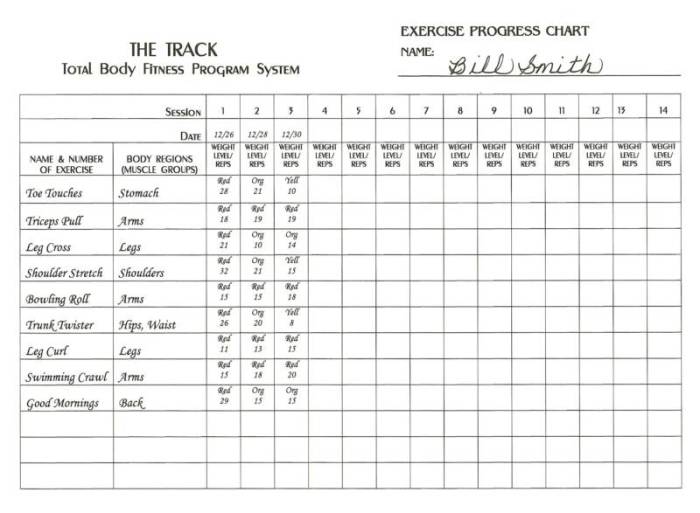
How to track progress with regular exercise sets the stage for this enthralling narrative, offering readers a glimpse into a story that is rich in detail with casual formal language style and brimming with originality from the outset.
Embarking on a fitness journey involves more than just breaking a sweat. It’s about understanding how to monitor and improve your progress along the way, ensuring that every step taken leads to your desired outcome.
Balanced Diet
Eating a balanced diet is crucial when it comes to supporting your progress with regular exercise. The right combination of nutrients can help fuel your workouts, aid in recovery, and optimize performance.
Nutrient-Rich Foods
Including a variety of foods in your diet can ensure you get the essential nutrients needed for exercise. Some examples of nutrient-rich foods that can support your progress include:
- Lean proteins like chicken, fish, tofu, and legumes for muscle repair and growth.
- Complex carbohydrates such as whole grains, fruits, and vegetables for sustained energy during workouts.
- Healthy fats like avocados, nuts, and olive oil for joint health and overall well-being.
- Hydration through water, electrolyte-rich beverages, and hydrating foods to maintain optimal performance.
Impact on Workout Performance
Your diet plays a significant role in how you perform during exercise. Eating a balanced diet can provide the necessary energy to power through workouts, improve focus, and prevent fatigue. On the other hand, inadequate nutrition can lead to decreased performance, muscle cramps, and slower recovery times.
By fueling your body with the right nutrients, you can enhance your exercise progress and achieve your fitness goals more effectively.
Mental Wellness: How To Track Progress With Regular Exercise
Regular exercise not only benefits physical health but also plays a crucial role in mental wellness. Tracking progress in exercise can have a positive impact on mental health by boosting confidence, reducing stress, and improving overall mood.
Strategies for Maintaining a Positive Mindset
- Set realistic goals: Establish achievable milestones to track progress and celebrate small victories along the way.
- Stay consistent: Create a routine that works for you and stick to it, as consistency can help build confidence and motivation.
- Practice self-compassion: Be kind to yourself, especially on challenging days, and acknowledge your efforts rather than focusing solely on outcomes.
- Surround yourself with support: Connect with friends, family, or a fitness community to share your journey and seek encouragement when needed.
Benefits of Incorporating Mindfulness Practices
Practicing mindfulness during workouts can enhance the mind-body connection and provide a range of benefits, including:
- Reduced stress and anxiety: Mindfulness techniques like deep breathing or focusing on the present moment can help alleviate stress during exercise.
- Improved focus and concentration: By staying present and mindful during workouts, you can enhance your focus and maximize the effectiveness of your training.
- Enhanced recovery: Mindfulness practices can aid in recovery by promoting relaxation and reducing muscle tension post-exercise.
- Increased enjoyment: Being fully present and engaged in your workout can make the experience more enjoyable and fulfilling.
Physical Fitness
Regular exercise is crucial for maintaining physical fitness and overall health. Tracking physical fitness metrics can provide valuable insights into the progress made through exercise. By monitoring various aspects of physical fitness, individuals can identify areas of improvement and stay motivated to reach their fitness goals.
Physical Fitness Assessments, How to track progress with regular exercise
- Body Composition: Tracking changes in body fat percentage, muscle mass, and overall weight can help measure progress in improving body composition.
- Cardiovascular Endurance: Assessments like the 1-mile run or the beep test can measure improvements in cardiovascular fitness over time.
- Strength: Monitoring progress in strength training exercises, such as the number of repetitions or weight lifted, can indicate improvements in muscle strength.
- Flexibility: Assessing flexibility through exercises like the sit-and-reach test can help track improvements in range of motion.
Setting Realistic Fitness Goals
Setting realistic fitness goals is essential for effectively tracking progress. Unrealistic goals can lead to frustration and demotivation. By setting achievable and measurable goals, individuals can track their progress more effectively and stay committed to their exercise routine. It is important to set goals that are specific, measurable, attainable, relevant, and time-bound (SMART goals) to ensure success in tracking physical fitness improvements.
Adequate Hydration
Proper hydration is essential for optimizing exercise performance and overall health. Water plays a crucial role in regulating body temperature, lubricating joints, and transporting nutrients and oxygen to cells.
Tips for Staying Hydrated
- Drink water before, during, and after your workout to maintain hydration levels.
- Monitor your urine color – pale yellow indicates proper hydration, while darker colors may signal dehydration.
- Carry a reusable water bottle with you throughout the day to ensure easy access to water.
- Incorporate hydrating foods such as fruits and vegetables into your diet.
- Avoid excessive consumption of caffeinated or sugary beverages, as they can contribute to dehydration.
Signs of Dehydration and Impact on Exercise Performance
- Thirst, dry mouth, and fatigue are common signs of dehydration that can negatively impact exercise performance.
- Dehydration can lead to decreased endurance, muscle cramps, and reduced focus during workouts.
- Monitor your fluid intake and listen to your body’s signals to ensure proper hydration levels.
- Remember that staying hydrated is not only important during exercise but throughout the day to support overall health and wellness.
Regular Exercise
Regular exercise is crucial for maintaining overall health and fitness. Consistency in a workout routine is key to effectively tracking progress and achieving fitness goals. By sticking to a regular exercise schedule, you can monitor improvements in strength, endurance, flexibility, and overall fitness levels over time.
Significance of Consistency
Consistency in a workout routine allows you to track progress more accurately. When you exercise regularly, you can observe changes in your performance, such as increased weights lifted, longer durations of exercise, or improved flexibility. This consistent effort also helps in developing a habit of exercising, making it easier to stay motivated and committed to your fitness journey.
Methods for Tracking Exercise
- Keep a workout journal or log where you record the type of exercise, duration, intensity, and any notes on how you felt during the workout.
- Use fitness tracking apps or devices that monitor your heart rate, calories burned, and activity levels throughout the day.
- Set specific fitness goals and track your progress towards achieving them, adjusting your workout routine accordingly.
Benefits of Cross-Training
Cross-training involves incorporating a variety of different exercises and activities into your workout routine. This approach helps prevent boredom, reduces the risk of overuse injuries, and challenges different muscle groups for a more balanced fitness regimen. By varying your workouts, you can improve overall strength, cardiovascular fitness, and flexibility, leading to better overall progress in your fitness journey.
Healthy Lifestyle
Adopting a healthy lifestyle goes hand in hand with tracking progress in exercise. It not only enhances the results of your fitness journey but also contributes to overall well-being.
When it comes to incorporating healthy habits beyond just working out, focus on aspects like nutrition, sleep, stress management, and self-care. These elements play a crucial role in supporting your physical activities and maximizing the benefits of your efforts.
Nutrition
Ensuring a balanced and nutritious diet is essential for fueling your body for workouts and aiding in recovery. Include a variety of fruits, vegetables, whole grains, lean proteins, and healthy fats in your meals to support your fitness goals.
Sleep
Quality sleep is vital for muscle repair, hormone regulation, and overall performance. Aim for 7-9 hours of uninterrupted sleep each night to allow your body to rest and rejuvenate.
Stress Management
Chronic stress can hinder progress and impact your overall health. Incorporate stress-relieving activities such as meditation, yoga, deep breathing exercises, or hobbies to maintain a healthy balance in your life.
Self-care
Self-care practices like regular massages, leisure activities, spending time with loved ones, or simply taking time for yourself can help reduce burnout and improve your mental well-being, which in turn supports your physical health.
Preventive Care
Regular exercise is crucial for maintaining overall health and well-being. However, incorporating preventive care measures into your fitness routine can further enhance the long-term benefits of exercise. Preventive care involves proactive steps to prevent illness and detect potential health issues early on, ultimately supporting your fitness progress.
Role of Preventive Care
- Regular health check-ups and screenings play a vital role in preventive care. These assessments can help identify any underlying health concerns that may impact your exercise regimen.
- By staying on top of preventive care measures, you can address any health issues promptly, preventing them from escalating and hindering your fitness goals.
- Preventive care also includes vaccinations, healthy lifestyle choices, and maintaining a balanced diet, all of which contribute to overall well-being and fitness progress.
Quality Sleep
Quality sleep plays a crucial role in exercise recovery and progress tracking. It is during sleep that our bodies repair and rebuild muscles, regulate hormones, and improve overall fitness levels. Without adequate rest, our exercise performance and progress can be hindered.
Impact of Quality Sleep on Exercise Recovery
Quality sleep is essential for exercise recovery as it allows our muscles to repair and grow. During deep sleep stages, the body releases growth hormone, which aids in muscle recovery and development. Lack of quality sleep can lead to decreased muscle repair, increased muscle soreness, and overall slower progress in fitness goals.
Tips for Improving Sleep Quality
- Avoid electronic devices before bedtime to reduce exposure to blue light, which can disrupt sleep patterns.
- Establish a bedtime routine to signal to your body that it’s time to wind down and prepare for sleep.
- Create a comfortable sleep environment by keeping your bedroom cool, dark, and quiet.
- Limit caffeine and alcohol intake, especially close to bedtime, as they can interfere with sleep quality.
Relationship Between Adequate Rest and Achieving Fitness Goals
Adequate rest, including quality sleep, is crucial for achieving fitness goals. Without proper rest, our bodies cannot fully recover from exercise, leading to decreased performance and progress. Quality sleep ensures that our muscles have time to repair and grow, allowing us to push harder during workouts and see improvements in our fitness levels.
Cardio Health
Regular monitoring of cardiovascular health indicators is crucial for tracking progress with exercise. By keeping an eye on metrics such as heart rate, blood pressure, and cholesterol levels, individuals can better understand how their fitness routines are impacting their overall heart health.
Benefits of Cardio Exercises
Cardiovascular exercises, such as running, cycling, or swimming, offer a wide range of benefits. Not only do they help improve heart health and increase endurance, but they also aid in weight management, boost metabolism, and reduce the risk of chronic diseases like heart disease and diabetes.
- Improved heart health and circulation
- Increased stamina and endurance
- Enhanced weight management and metabolism
- Reduced risk of chronic diseases
Tips for Improving Cardiovascular Fitness
To enhance cardiovascular fitness and track improvements over time, individuals can incorporate the following tips into their workout routines:
- Start with low-impact exercises and gradually increase intensity
- Include a variety of cardio activities to prevent boredom and target different muscle groups
- Monitor heart rate during workouts to ensure optimal intensity for fitness goals
- Stay consistent with workouts and gradually increase duration and intensity over time
Immune Boost
Regular exercise plays a crucial role in boosting immune health and tracking progress in fitness goals. By incorporating healthy lifestyle choices, individuals can strengthen their immune system, leading to more consistent results in their fitness journey.
Tips for Boosting Immunity Through Exercise and Healthy Lifestyle Choices
- Aim for at least 150 minutes of moderate-intensity exercise per week to enhance immune function.
- Include a variety of exercises such as cardio, strength training, and flexibility workouts to support overall immunity.
- Stay hydrated by drinking an adequate amount of water daily to help flush out toxins and support immune function.
- Eat a balanced diet rich in fruits, vegetables, lean proteins, and whole grains to provide essential nutrients for immune health.
- Get enough quality sleep each night to allow your body to repair and regenerate, strengthening the immune system.
Clean Eating
When it comes to tracking progress with regular exercise, clean eating plays a crucial role in supporting your fitness journey. Clean eating involves consuming whole, unprocessed foods that are rich in nutrients and free from additives or artificial ingredients.
Principles of Clean Eating
Clean eating principles focus on choosing foods that are as close to their natural state as possible. This includes incorporating plenty of fruits, vegetables, whole grains, lean proteins, and healthy fats into your diet. By prioritizing whole foods over processed options, you can fuel your body with the nutrients it needs to perform optimally during workouts.
- Avoiding processed foods high in added sugars, unhealthy fats, and preservatives
- Opting for organic produce and grass-fed meats when possible
- Limiting intake of refined grains and opting for whole grain alternatives
- Drinking plenty of water and avoiding sugary beverages
Benefits of a Clean Diet
Adopting a clean diet can have a positive impact on your exercise progress by providing your body with essential vitamins, minerals, and antioxidants. These nutrients help to support muscle recovery, energy levels, and overall performance during physical activity. Additionally, a clean diet can aid in weight management and reduce the risk of chronic diseases, ultimately promoting long-term health and fitness achievements.
Emotional Balance
Maintaining emotional balance is crucial for staying consistent with tracking progress in regular exercise. Our emotions play a significant role in our motivation, energy levels, and overall well-being, impacting our ability to stay committed to our fitness journey.
Strategies for Managing Stress and Emotions
- Practice mindfulness and deep breathing exercises to help calm the mind and reduce stress levels.
- Engage in activities you enjoy outside of exercise to unwind and relax, such as reading, listening to music, or spending time with loved ones.
- Seek support from friends, family, or a therapist to talk about your feelings and alleviate any emotional burdens.
- Set realistic goals and celebrate small victories along the way to boost your confidence and keep you motivated.
Positive Influence of Emotional Well-being on Workout Performance
When you are in a positive emotional state, you are more likely to have higher energy levels, improved focus, and better endurance during your workouts.
Emotional balance can lead to a more enjoyable and rewarding exercise experience, making it easier to stay on track with your fitness goals.
Health Education
Health education plays a crucial role in understanding and tracking exercise progress. It provides the necessary knowledge and tools to make informed decisions about fitness, nutrition, and overall wellness.
Importance of Health Education in Progress Tracking
Having a solid foundation of health education allows individuals to set realistic goals, understand the importance of proper nutrition, and make informed choices regarding exercise routines. This knowledge helps in monitoring progress effectively and making necessary adjustments to achieve desired results.
Benefits of Learning about Fitness, Nutrition, and Wellness
- Enhanced Goal Achievement: Understanding fitness, nutrition, and wellness principles can help individuals set achievable goals and stay motivated to track progress consistently.
- Improved Decision-Making: Health education empowers individuals to make informed decisions about their exercise routines, dietary choices, and overall lifestyle for better results.
- Long-term Health Benefits: Learning about fitness, nutrition, and wellness not only aids in tracking progress but also promotes long-term health benefits, leading to a healthier and happier life.
Resources for Continuing Health Education
There are various resources available for individuals to continue their health education journey and enhance their knowledge for better progress tracking:
- Online Courses: Platforms like Coursera, Udemy, and Khan Academy offer a wide range of health and wellness courses for individuals to expand their knowledge.
- Health Apps: Apps like MyFitnessPal, Fitbit, and Headspace provide valuable information and tools to track exercise progress, nutrition intake, and mental wellness.
- Books and Journals: Reading books by health experts and scientific journals can provide in-depth knowledge on exercise, nutrition, and overall well-being.
- Workshops and Seminars: Attending workshops and seminars conducted by health professionals can offer practical insights and tips for effective progress tracking.
Self-Care
Self-care practices play a crucial role in supporting exercise progress tracking by ensuring that individuals are taking care of their physical, mental, and emotional well-being. By prioritizing self-care, individuals can enhance their overall health and fitness results, leading to long-term success in achieving their fitness goals.
Examples of Self-Care Routines
- Regular relaxation techniques such as meditation or deep breathing exercises to reduce stress levels.
- Quality sleep of at least 7-9 hours per night to support muscle recovery and overall well-being.
- Healthy nutrition habits by consuming a balanced diet rich in fruits, vegetables, lean proteins, and whole grains.
- Engaging in activities that bring joy and relaxation, such as hobbies or spending time in nature.
Significance of Prioritizing Self-Care
Self-care routines not only support physical health but also contribute to mental wellness, emotional balance, and stress management. By incorporating self-care practices into daily routines, individuals can maintain a positive mindset, prevent burnout, and stay motivated to continue their fitness journey.
Prioritizing self-care leads to improved overall well-being, which in turn enhances the effectiveness of exercise progress tracking and helps individuals achieve sustainable fitness goals.
Chronic Disease
Regular exercise plays a crucial role in preventing chronic diseases by improving overall health and well-being. By tracking progress with regular exercise, individuals can take proactive steps to reduce their risk of developing chronic health conditions.
Role of Exercise in Managing Chronic Health Conditions
Regular physical activity can help manage and reduce the risk of chronic diseases such as heart disease, diabetes, and obesity. Exercise helps improve cardiovascular health, regulate blood sugar levels, and maintain a healthy weight, all of which are important factors in preventing and managing chronic health conditions.
- Exercise helps strengthen the heart and improve circulation, reducing the risk of heart disease.
- Physical activity can help control blood sugar levels and improve insulin sensitivity, lowering the risk of developing type 2 diabetes.
- Regular exercise can aid in weight management, reducing the risk of obesity and related health issues.
Consistent exercise can also help lower blood pressure, improve cholesterol levels, and boost overall immune function.
Tips for Individuals with Chronic Diseases
For individuals with chronic diseases, it is essential to approach exercise safely and effectively to improve health outcomes. Here are some tips for safely tracking progress and enhancing health through exercise:
- Consult with a healthcare provider before starting any exercise program to ensure it is safe and appropriate for your condition.
- Work with a qualified fitness professional who has experience working with individuals with chronic diseases to create a personalized exercise plan.
- Start slowly and gradually increase the intensity and duration of your workouts to prevent injury and manage symptoms.
- Listen to your body and adjust your exercise routine as needed based on how you feel.
- Monitor key health indicators such as blood pressure, blood sugar levels, and heart rate to track improvements and adjust your exercise plan accordingly.
Ultimate Conclusion
In conclusion, tracking progress with regular exercise is not just about numbers on a scale or reps in the gym—it’s about embracing a holistic approach to wellness that encompasses physical, mental, and emotional well-being. By staying committed to your goals and consistently monitoring your progress, you pave the way for a healthier, stronger, and happier you.
Q&A
How often should I track my progress?
It’s ideal to track your progress weekly to monitor any changes and adjust your routine accordingly.
Can I track progress without using technology?
Absolutely! You can track progress through journaling, taking photos, or simply noting how you feel after each workout.
What if I don’t see immediate progress?
Remember that progress takes time. Stay consistent, trust the process, and celebrate small victories along the way.


