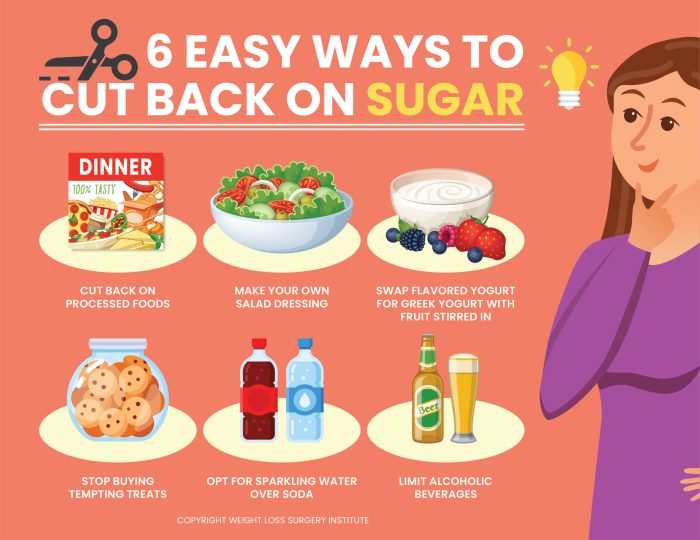
As Benefits of reducing sugar intake for a healthier lifestyle takes center stage, this opening passage beckons readers with casual formal language style into a world crafted with good knowledge, ensuring a reading experience that is both absorbing and distinctly original.
Reducing sugar intake has numerous benefits for your overall well-being, from physical health to mental wellness. Dive into this guide to discover how cutting back on sugar can lead to a healthier lifestyle.
Balanced Diet
Eating a balanced diet is essential when reducing sugar intake as it ensures that your body receives all the necessary nutrients for optimal health and well-being. By focusing on nutrient-rich foods, you can replace sugary snacks with options that provide sustained energy and support various bodily functions.
Nutrient-Rich Foods
- Vegetables: Packed with vitamins, minerals, and fiber, vegetables like spinach, broccoli, and bell peppers are great alternatives to sugary snacks.
- Fruits: Opt for whole fruits like berries, apples, and oranges instead of processed sweets to satisfy your sweet cravings naturally.
- Whole Grains: Foods like quinoa, brown rice, and oats provide complex carbohydrates that keep you full longer and prevent sugar spikes.
- Lean Proteins: Incorporate sources like chicken, fish, tofu, and legumes to support muscle health and overall energy levels.
- Dairy or Dairy Alternatives: Choose low-fat dairy products or fortified plant-based alternatives to ensure adequate calcium intake.
Impact on Health
A balanced diet not only helps in reducing sugar intake but also plays a crucial role in improving overall health and well-being. By consuming a variety of nutrient-rich foods, you can support your immune system, maintain a healthy weight, and reduce the risk of chronic diseases like diabetes and heart conditions.
Mental Wellness
Reducing sugar intake can have a significant positive impact on mental wellness. Excessive sugar consumption has been linked to mood swings, irritability, and increased risk of developing mental health disorders. By cutting down on sugar, individuals can experience improved mental clarity, better focus, and enhanced overall emotional well-being.
Managing Cravings and Maintaining a Positive Mindset
When reducing sugar intake, it is common to experience cravings as the body adjusts to lower levels of sugar. To manage cravings effectively, it is essential to stay hydrated, eat balanced meals with protein and fiber, and opt for healthy snacks like fruits or nuts.
Engaging in regular physical activity can also help reduce cravings and improve mood.
Connection Between Sugar Consumption and Mood Fluctuations
High sugar intake has been associated with mood fluctuations and increased risk of depression and anxiety. Consuming sugary foods can lead to rapid spikes and crashes in blood sugar levels, which can negatively impact mood stability. By reducing sugar intake and opting for nutritious, whole foods, individuals can better regulate their mood and promote mental well-being.
Physical Fitness
Reducing sugar intake can significantly improve physical fitness levels by providing a more stable source of energy for the body. Excessive sugar consumption can lead to energy crashes, affecting exercise performance and overall endurance.
High-energy, Low-sugar Snacks for Pre-workout Fuel
When looking for snacks to fuel your workout, opt for options that are high in energy but low in sugar. Some examples include:
- Hard-boiled eggs
- Greek yogurt with berries
- Almonds or mixed nuts
- Apple slices with peanut butter
- Cottage cheese with sliced fruit
Role of Sugar in Energy Crashes and Exercise Performance
Excessive sugar consumption can lead to spikes in blood sugar levels followed by crashes, leaving you feeling fatigued and low on energy. This can have a negative impact on exercise performance, making it harder to push through workouts and achieve fitness goals.
By reducing sugar intake and opting for healthier, low-sugar alternatives, you can ensure a more sustained energy level throughout your workout sessions.
Adequate Hydration
Staying hydrated is crucial for overall health and well-being, and reducing sugar intake can play a significant role in maintaining adequate hydration levels.
Relationship between Sugar Consumption and Hydration
High sugar consumption can lead to dehydration as the body works to eliminate the excess sugar through urine, causing a loss of fluids. This can result in an increased need for water to rehydrate the body.
Tips for Staying Hydrated while Reducing Sugar Intake
- Aim to drink at least 8 glasses of water a day to help flush out toxins and maintain hydration levels.
- Infuse water with fruits like lemon or berries for added flavor without the need for sugary drinks.
- Carry a reusable water bottle with you throughout the day to ensure easy access to water.
- Limit consumption of sugary beverages like soda, energy drinks, and sweetened teas, opting for water instead.
- Monitor your urine color – clear or light yellow urine indicates good hydration levels.
Benefits of Water for Overall Health and Wellness
Water is essential for various bodily functions such as regulating body temperature, aiding digestion, transporting nutrients, and maintaining electrolyte balance. Staying hydrated with water can improve energy levels, cognitive function, and overall health.
Regular Exercise
Reducing sugar intake can greatly complement a regular exercise routine by providing sustained energy levels, improved focus, and better overall performance during workouts. Lower sugar consumption can also help in maintaining a healthy weight and reducing the risk of chronic diseases, allowing individuals to make the most out of their exercise sessions.
Sugar-Free Pre and Post-Workout Snacks
- Plain Greek yogurt with berries and nuts
- Vegetable sticks with hummus
- Hard-boiled eggs
- Chia seed pudding
- Homemade protein bars
Impact of Sugar on Muscle Recovery and Endurance
Sugar consumption can lead to a spike in blood sugar levels followed by a crash, affecting muscle recovery and endurance negatively. Excessive sugar intake can also increase inflammation in the body, leading to longer recovery times and decreased exercise performance.
By reducing sugar intake, individuals can improve their muscle recovery process, increase endurance levels, and enhance overall athletic performance.
Healthy Lifestyle
Reducing sugar intake plays a crucial role in promoting a healthier lifestyle by reducing the risk of various health issues and improving overall well-being.
Tips for Incorporating Sugar-Free Alternatives:
When trying to reduce sugar intake, consider the following tips:
- Opt for fresh fruits to satisfy sweet cravings instead of sugary snacks.
- Choose unsweetened beverages like water, herbal teas, or black coffee.
- Experiment with natural sweeteners like stevia, monk fruit, or erythritol in recipes.
- Read food labels carefully to identify hidden sources of sugar in processed foods.
- Prepare homemade meals and snacks to have better control over sugar content.
Long-Term Benefits of Adopting a Low-Sugar Lifestyle:
By embracing a low-sugar lifestyle, individuals can experience various long-term benefits:
- Improved weight management and reduced risk of obesity-related conditions.
- Better control of blood sugar levels, reducing the risk of diabetes.
- Enhanced heart health and lowered risk of cardiovascular diseases.
- Reduced inflammation in the body, leading to better overall health.
- Boosted energy levels and improved mental clarity throughout the day.
Nutrient-Rich
Consuming nutrient-rich foods is essential for overall health as they provide the body with essential vitamins, minerals, and other important nutrients that support various bodily functions. These foods are not only beneficial for maintaining a healthy weight but also help in preventing chronic diseases and promoting overall well-being.
Examples of Nutrient-Dense Foods
- Dark leafy greens like spinach and kale are rich in vitamins A, C, and K, as well as minerals like iron and calcium.
- Fatty fish such as salmon and mackerel are excellent sources of omega-3 fatty acids, which are important for brain health and reducing inflammation.
- Beans and legumes like chickpeas and lentils are high in fiber, protein, and various vitamins and minerals, making them a great plant-based protein option.
- Nuts and seeds like almonds, chia seeds, and flaxseeds are packed with healthy fats, protein, and essential nutrients like magnesium and vitamin E.
- Whole grains such as quinoa, brown rice, and oats are rich in fiber, B vitamins, and minerals like iron and magnesium, providing sustained energy and promoting digestive health.
Role of Vitamins and Minerals
Vitamins and minerals play a crucial role in maintaining a balanced diet by supporting various physiological processes in the body. For example, vitamin D helps in calcium absorption for bone health, vitamin C boosts the immune system, and iron is essential for oxygen transport in the blood.
Including a variety of nutrient-rich foods in your diet ensures that you are meeting your daily requirements of these essential nutrients for optimal health.
Stress Management
Reducing sugar intake can have a significant impact on stress levels. Consuming high amounts of sugar can lead to spikes in blood sugar levels, which can result in mood swings, irritability, and increased stress. Additionally, sugary foods may provide a temporary feeling of comfort or relief, but this is often followed by a crash in energy levels, leaving you feeling even more stressed.
Impact of Sugar on Cortisol Levels
High sugar consumption can also affect cortisol levels in the body. Cortisol is known as the stress hormone, and when levels are consistently elevated due to consuming excess sugar, it can lead to chronic stress. This can have a negative impact on overall health and well-being, as prolonged stress is linked to various health issues such as heart disease, obesity, and depression.
- Avoid processed and sugary foods: Opt for whole foods such as fruits, vegetables, whole grains, and lean proteins to help stabilize blood sugar levels and reduce stress.
- Practice relaxation techniques: Incorporate activities such as yoga, meditation, deep breathing exercises, or mindfulness to help manage stress without turning to sugary treats.
- Stay hydrated: Drinking an adequate amount of water throughout the day can help support overall well-being and reduce stress levels.
- Get enough sleep: Prioritize quality sleep as lack of sleep can contribute to increased stress and cravings for sugary foods.
Preventive Care
Reducing sugar intake plays a crucial role in preventive healthcare by helping to lower the risk of chronic diseases and promoting overall well-being. By making conscious choices to limit sugar consumption, individuals can significantly improve their health outcomes and reduce the likelihood of developing various health conditions.
Reduced Risk of Chronic Diseases
- Lowering sugar intake can decrease the risk of obesity, type 2 diabetes, and heart disease. Excessive sugar consumption is closely linked to these chronic conditions, and by cutting back on sugar, individuals can better manage their weight and reduce the strain on their cardiovascular system.
- A low-sugar diet can also help prevent dental issues such as cavities and gum disease. Sugar feeds harmful bacteria in the mouth, leading to tooth decay and other oral health problems. By reducing sugar intake, individuals can protect their teeth and gums.
- Furthermore, limiting sugar can lower the risk of certain types of cancer, including breast, colon, and pancreatic cancer. High sugar consumption has been associated with inflammation and insulin resistance, both of which are factors that can contribute to cancer development.
Role of Diet in Preventing Lifestyle-Related Health Conditions
- Adopting a low-sugar diet is essential in preventing lifestyle-related health conditions such as metabolic syndrome and fatty liver disease. These conditions are often a result of poor dietary choices, including excessive sugar consumption.
- By focusing on nutrient-rich foods and reducing sugar intake, individuals can improve their metabolic health, regulate blood sugar levels, and support their liver function. These dietary changes are key in preventing the onset of lifestyle-related health conditions.
- Additionally, a balanced diet low in sugar can help reduce inflammation in the body, which is a common factor in many chronic diseases. By prioritizing whole foods and minimizing added sugars, individuals can support their immune system and overall health.
Proper Nutrition
Proper nutrition plays a crucial role in reducing sugar intake and promoting overall health and well-being. By focusing on consuming nutrient-dense foods and avoiding excessive sugar, individuals can better manage their weight, energy levels, and reduce the risk of chronic diseases.
Reading Food Labels for Hidden Sugars
- Check the ingredient list for various names of sugar such as sucrose, high fructose corn syrup, and dextrose.
- Avoid products with sugar listed as one of the first few ingredients.
- Be mindful of serving sizes as sugar content can be deceiving if not adjusted for proper portions.
- Look for products labeled as “no added sugars” or “unsweetened” to minimize sugar intake.
Impact of Balanced Nutrition on Health
Proper nutrition not only helps in reducing sugar intake but also supports overall health and well-being in various ways. It provides essential nutrients for optimal bodily functions, boosts the immune system, improves mental clarity, and enhances energy levels. By maintaining a balanced diet, individuals can better manage their weight, prevent nutritional deficiencies, and reduce the risk of chronic diseases.
Quality Sleep
Reducing sugar intake can significantly improve sleep quality by stabilizing blood sugar levels and reducing the likelihood of experiencing spikes and crashes that can disrupt sleep patterns. Consuming high amounts of sugar before bed can lead to restlessness, making it harder to fall asleep and stay asleep throughout the night.
Creating a Sleep-Friendly Environment
- Avoid consuming sugary foods and drinks close to bedtime to promote better sleep quality.
- Establish a relaxing bedtime routine to signal to your body that it’s time to wind down and prepare for sleep.
- Keep your bedroom dark, cool, and quiet to create an environment conducive to restful sleep.
- Avoid electronic devices before bed as the blue light emitted can interfere with the production of sleep-inducing hormones.
Link Between Sugar Consumption and Disrupted Sleep Patterns
Consuming excessive amounts of sugar can lead to fluctuations in blood sugar levels, which can disrupt the body’s natural sleep-wake cycle. High sugar intake has been linked to conditions like insomnia, sleep apnea, and restless leg syndrome, all of which can impact the quality of your sleep.
By reducing sugar intake and opting for nutrient-rich foods instead, you can improve your overall sleep quality and wake up feeling more refreshed and energized.
Cardio Health
Reducing sugar intake can have a significant impact on cardiovascular health. Excessive sugar consumption has been linked to an increased risk of heart disease, high blood pressure, and other cardiovascular issues. By cutting back on sugar, you can help improve your heart health and overall well-being.
Heart-Healthy Foods
Eating a diet rich in heart-healthy foods can help replace sugary treats and support your cardiovascular health. Some examples of heart-healthy foods include:
- Fatty fish like salmon, mackerel, and sardines, which are high in omega-3 fatty acids that can help reduce inflammation and improve heart health.
- Whole grains such as oats, brown rice, and quinoa, which are rich in fiber and can help lower cholesterol levels.
- Fruits and vegetables, which are packed with vitamins, minerals, and antioxidants that support heart health.
- Nuts, seeds, and legumes, which are good sources of healthy fats, protein, and fiber that can benefit your heart.
- Green tea, which contains antioxidants that can help protect your heart and reduce the risk of heart disease.
Connection to Heart Disease Risk
The connection between sugar consumption and heart disease risk is well-documented. Consuming too much sugar can lead to weight gain, inflammation, high blood pressure, and high cholesterol levels, all of which are risk factors for heart disease. By reducing your sugar intake and focusing on a nutrient-rich diet, you can help lower your risk of developing heart-related issues in the future.
Immune Boost
Reducing sugar intake can have a significant impact on boosting the immune system. Excessive sugar consumption has been linked to inflammation and weakened immune function, making the body more susceptible to infections and illnesses. By cutting back on sugar, you can help support your immune system and enhance your overall health.
Immune-Boosting Foods Low in Sugar
There are plenty of immune-boosting foods that are low in sugar, allowing you to maintain a healthy diet while supporting your body’s defense mechanisms. Some examples include:
- Leafy greens like spinach and kale
- Citrus fruits such as oranges and grapefruits
- Berries like strawberries, blueberries, and raspberries
- Yogurt with live cultures for gut health
- Garlic and onions known for their immune-boosting properties
Relationship Between Sugar Consumption and Immune Function
The relationship between sugar consumption and immune function is complex. High sugar intake can suppress the immune system by reducing the ability of white blood cells to combat bacteria. Additionally, sugar can lead to chronic inflammation, which impairs immune response.
By reducing sugar intake, you can help your immune system function more effectively and protect your body against pathogens.
Positive Mindset
Reducing sugar intake can significantly contribute to maintaining a positive mindset. Excessive sugar consumption has been linked to mood swings, irritability, and fatigue, which can all impact our mental well-being. By adopting a low-sugar lifestyle, individuals can experience more stable energy levels and improved mood regulation.
Overcoming Sugar Cravings and Staying Motivated
- Replace sugary snacks with healthier alternatives like fruits, nuts, or yogurt to satisfy cravings.
- Stay hydrated and ensure regular meals to prevent sudden spikes and crashes in blood sugar levels.
- Practice mindful eating and be aware of emotional triggers that may lead to excessive sugar consumption.
- Engage in stress-relieving activities such as meditation or yoga to reduce the urge for sugary comfort foods.
Psychological Benefits of a Low-Sugar Lifestyle
- Improved mental clarity and focus due to stable blood sugar levels throughout the day.
- Enhanced self-control and discipline in making healthier food choices, leading to a sense of accomplishment.
- Reduced risk of anxiety and depression by maintaining a balanced diet that supports brain health.
- Increased confidence and self-esteem from taking charge of one’s health and well-being.
Clean Eating
When it comes to reducing sugar intake, clean eating is a fundamental concept that focuses on consuming whole, unprocessed foods while avoiding added sugars and artificial ingredients. Clean eating promotes a diet rich in nutrients and free from unnecessary additives, which can contribute to overall health and wellness.
Examples of Clean Eating Meal Plans
Below are some examples of clean eating meal plans that are low in added sugars:
- Breakfast: Greek yogurt with fresh berries and almonds
- Lunch: Grilled chicken salad with mixed greens, avocado, and vinaigrette dressing
- Dinner: Baked salmon with quinoa and roasted vegetables
- Snacks: Carrot sticks with hummus or apple slices with almond butter
Benefits of Clean Eating
Clean eating offers numerous benefits for overall health and wellness, including:
- Improved digestion and nutrient absorption
- Weight management and better energy levels
- Reduced risk of chronic diseases such as heart disease and diabetes
- Enhanced immune function and better skin health
Daily Activity
Reducing sugar intake can have a significant impact on daily activity levels. Excessive sugar consumption can lead to energy crashes, making it difficult to stay active throughout the day. By cutting back on sugar, individuals can experience more sustained energy levels, allowing them to engage in physical activities with greater ease.
Impact on Energy Levels
- Reducing sugar intake helps stabilize blood sugar levels, preventing sudden spikes and crashes that can leave you feeling lethargic.
- Choosing nutrient-rich foods like fruits, vegetables, whole grains, and lean proteins can provide a steady source of energy without the need for sugary snacks.
- Hydrating adequately throughout the day also plays a key role in maintaining energy levels and supporting overall physical activity.
Holistic Health
Reducing sugar intake is essential for achieving holistic health as it not only benefits physical well-being but also contributes to mental and emotional wellness. By minimizing sugar consumption, individuals can experience improved energy levels, better mood stability, and enhanced overall health.
Approaches to Reducing Sugar Cravings
- Include more whole foods in your diet such as fruits, vegetables, and whole grains to naturally satisfy sweet cravings.
- Opt for healthy fats and proteins to help stabilize blood sugar levels and reduce the urge for sugary treats.
- Stay hydrated throughout the day as dehydration can sometimes be mistaken for hunger or sugar cravings.
- Practice mindful eating by being aware of your emotions and triggers that lead to reaching for sugary snacks.
Interconnectedness of Physical, Mental, and Emotional Well-being
Physical health, mental well-being, and emotional balance are interconnected aspects of holistic health. When sugar intake is reduced, it not only supports physical health by reducing the risk of chronic diseases but also positively impacts mental clarity and emotional stability.
By addressing all these aspects together, individuals can achieve a state of overall well-being.
Mindful Living: Benefits Of Reducing Sugar Intake For A Healthier Lifestyle
Reducing sugar intake can promote mindful living by increasing awareness of the food choices we make and how they affect our overall well-being. Mindful living involves being fully present in the moment and making intentional decisions that support our health and happiness.
Mindfulness Practices for a Low-Sugar Lifestyle
- Practice mindful eating by savoring each bite, paying attention to flavors and textures, and listening to your body’s hunger cues.
- Engage in meditation or deep breathing exercises to reduce stress and increase mindfulness throughout the day.
- Keep a food journal to track sugar intake and reflect on how different foods make you feel physically and emotionally.
- Avoid multitasking while eating and instead focus on the sensory experience of each meal.
Benefits of Mindfulness for Healthy Food Choices, Benefits of reducing sugar intake for a healthier lifestyle
- Increases self-awareness and helps identify emotional triggers for unhealthy eating habits.
- Promotes better self-control and decision-making when faced with tempting sugary treats.
- Reduces mindless snacking and encourages intentional, nutrient-dense food choices.
- Supports long-term behavior change by fostering a positive relationship with food and a deeper appreciation for nourishing the body.
Emotional Balance
Reducing sugar intake can have a significant impact on emotional balance. Consuming high amounts of sugar can lead to mood swings, irritability, and even symptoms of anxiety and depression. By cutting back on sugary foods and beverages, individuals can stabilize their mood and improve their overall emotional well-being.
Impact of Sugar on Emotional Balance
- Excessive sugar consumption can cause spikes and crashes in blood sugar levels, leading to mood fluctuations.
- Sugar can trigger the release of stress hormones, such as cortisol, which can contribute to feelings of anxiety and tension.
- Studies have shown a correlation between high sugar intake and an increased risk of developing mood disorders like depression.
Strategies for Managing Emotions without Sugar
- Practice mindfulness and deep breathing techniques to calm the mind and reduce stress.
- Engage in regular physical activity, such as yoga or meditation, to release endorphins and boost mood naturally.
- Seek social support from friends, family, or a therapist to talk through emotions and find healthy coping mechanisms.
Link Between Sugar Consumption and Mood Regulation
- Consuming sugary foods can lead to a temporary feeling of pleasure due to the release of dopamine in the brain, but this effect is short-lived and can lead to cravings for more sugar.
- Over time, a cycle of sugar consumption and mood swings can develop, impacting overall emotional stability and well-being.
- By reducing sugar intake and focusing on a balanced diet rich in nutrient-dense foods, individuals can support better mood regulation and emotional balance.
Health Education
Health education plays a crucial role in helping individuals understand the impact of sugar consumption on overall well-being. By increasing awareness and knowledge about the effects of sugar on the body, people can make more informed decisions about their dietary choices.
Importance of Health Literacy
Health literacy is essential in empowering individuals to take control of their health. Understanding how sugar affects the body can help prevent various health issues such as obesity, diabetes, and heart disease. It is important to educate oneself on the potential risks associated with excessive sugar intake.
Resources for Learning
- Consulting reputable websites such as the American Heart Association or the Centers for Disease Control and Prevention for information on sugar guidelines and recommendations.
- Reading books and articles by nutrition experts and health professionals to gain a deeper understanding of the effects of sugar on the body.
- Attending workshops or seminars focused on nutrition and healthy eating habits to learn about the importance of reducing sugar intake.
Role of Health Education
- Health education can help individuals identify hidden sugars in processed foods and beverages, enabling them to make more conscious choices when shopping or dining out.
- By understanding the link between sugar consumption and chronic diseases, individuals can take proactive steps towards improving their overall health and well-being.
- Health education can also provide strategies for reducing sugar cravings and transitioning to a diet that is lower in added sugars.
Self-Care
Reducing sugar intake is a powerful form of self-care that can have a significant impact on overall health and well-being. By making conscious choices to limit sugar consumption, individuals are taking proactive steps to prioritize their health and nurture their bodies.
Self-Care Practices for a Low-Sugar Lifestyle
- Awareness: Start by reading food labels and identifying hidden sugars in processed foods.
- Meal Prep: Plan and prepare meals and snacks in advance to avoid reaching for sugary options on the go.
- Healthy Substitutions: Swap sugary treats with nutrient-rich alternatives like fruits, nuts, or yogurt.
- Mindful Eating: Slow down during meals, savoring each bite and paying attention to hunger cues to prevent overeating.
- Stress Management: Engage in activities like yoga, meditation, or deep breathing exercises to reduce stress and curb emotional eating.
Importance of Prioritizing Health and Well-Being through Self-Care Habits
Self-care habits play a crucial role in maintaining a balanced and healthy lifestyle. By consciously choosing to reduce sugar intake and adopt self-care practices, individuals not only improve their physical health but also support their mental and emotional well-being. Prioritizing self-care allows individuals to show compassion and kindness to themselves, leading to a more fulfilling and sustainable approach to health.
Chronic Disease
Reducing sugar intake plays a crucial role in lowering the risk of chronic diseases. Excessive consumption of sugar has been linked to various health conditions, making it essential to adopt a low-sugar diet for disease prevention.
Impact of Sugar Consumption on Chronic Conditions
- High sugar intake can lead to obesity, which is a major risk factor for chronic diseases such as type 2 diabetes, heart disease, and certain types of cancer.
- Excessive sugar consumption can contribute to inflammation in the body, increasing the risk of developing chronic conditions like arthritis and inflammatory bowel disease.
- Sugar has been linked to insulin resistance, a condition that can progress to diabetes over time if left unmanaged.
- Consuming too much sugar can elevate blood pressure levels, putting individuals at a higher risk for hypertension and cardiovascular diseases.
Wrap-Up
In conclusion, reducing sugar intake is a powerful step towards a healthier life. Embracing this change can bring about a host of positive effects on your body and mind, paving the way for a happier, more energetic you.
Essential Questionnaire
Can reducing sugar intake really improve mental wellness?
Absolutely! Lowering sugar consumption can lead to more stable moods and better mental clarity.
How can I manage sugar cravings effectively?
Try distracting yourself with a healthy activity, like going for a walk or drinking a glass of water.
What are some high-energy snacks I can eat before a workout?
Opt for foods like nuts, Greek yogurt, or a banana for sustained energy without the sugar crash.
Why is adequate hydration important when reducing sugar intake?
Staying hydrated helps flush out toxins and supports your body’s natural detox processes.
How can I incorporate sugar-free alternatives into my daily meals?
Experiment with natural sweeteners like stevia or use fruits to add sweetness to your dishes.


