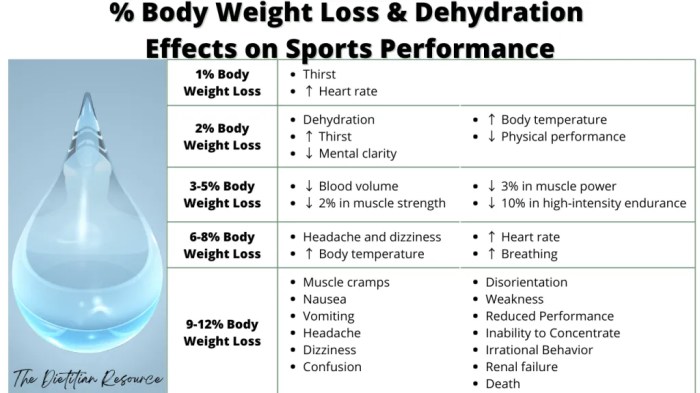
The effects of dehydration on physical performance sets the stage for this enthralling narrative, offering readers a glimpse into a story that is rich in detail with casual formal language style and brimming with originality from the outset.
The impact of dehydration on physical performance is a crucial aspect that affects athletes and individuals engaging in physical activities. As we delve deeper into this topic, we will uncover the various ways dehydration can hinder performance and overall well-being.
Balanced Diet
Having a balanced diet is crucial when it comes to optimizing physical performance. A balanced diet provides the necessary nutrients to support hydration, muscle function, and overall energy levels during physical activity.
Nutrient-Rich Foods for Hydration and Fitness
Including the following foods in your diet can help support hydration and physical fitness:
- Fruits and vegetables: These are high in water content and provide essential vitamins and minerals that are beneficial for overall health.
- Lean proteins: Foods like chicken, fish, tofu, and legumes are important for muscle repair and growth, which is essential for physical performance.
- Whole grains: Foods like brown rice, quinoa, and oats provide a steady source of energy for workouts and help maintain stable blood sugar levels.
- Dairy or dairy alternatives: These are important sources of calcium and vitamin D, which are crucial for bone health and muscle function.
Contribution to Overall Health
A balanced diet not only impacts physical performance but also contributes to overall health and well-being. Nutrient-rich foods help reduce the risk of chronic diseases, maintain a healthy weight, and improve immune function, all of which are essential for optimal physical performance and overall quality of life.
Mental Wellness
Maintaining mental wellness is crucial for enhancing physical performance as the mind and body are interconnected. A healthy mindset can lead to improved focus, motivation, and overall well-being, which directly impacts physical capabilities.
Connection Between Mental Wellness and Physical Performance
- Positive thinking and a strong mindset can help athletes push through physical barriers and perform at their best.
- Stress, anxiety, and negative thoughts can hinder performance by affecting confidence and concentration.
- Practicing mindfulness, meditation, and visualization techniques can improve mental resilience and performance under pressure.
Strategies for Maintaining Mental Wellness
- Engage in regular exercise to release endorphins and reduce stress levels.
- Get enough sleep to promote cognitive function and emotional well-being.
- Seek support from friends, family, or a mental health professional when needed.
Impact of Stress Management on Physical Endurance and Stamina
- High levels of stress can lead to fatigue, muscle tension, and reduced energy levels, affecting physical endurance.
- Effective stress management techniques such as deep breathing, progressive muscle relaxation, and time management can help improve stamina and performance.
- By reducing stress and anxiety, individuals can optimize their physical abilities and achieve peak performance levels.
Physical Fitness
Dehydration can significantly impact physical fitness levels as it impairs the body’s ability to regulate temperature, transport nutrients, and remove waste products efficiently. This can lead to decreased endurance, strength, and overall performance during physical activities.
Exercises to Improve Hydration and Performance
Regular cardiovascular exercises such as running, cycling, or swimming can help improve hydration levels by increasing blood circulation and sweat production. Additionally, incorporating strength training exercises like weightlifting can stimulate muscle growth and enhance overall performance.
Role of Hydration in Muscle Recovery and Growth
Proper hydration is essential for muscle recovery and growth as it helps transport essential nutrients to muscle cells, remove waste products, and maintain optimal muscle function. Adequate hydration also plays a crucial role in preventing muscle cramps, fatigue, and injuries during workouts.
Adequate Hydration
Staying adequately hydrated is crucial for optimal physical performance. Dehydration can significantly impact your body’s ability to function efficiently during exercise, leading to decreased performance and potential health risks.
Importance of Proper Hydration
Adequate hydration helps regulate body temperature, maintain electrolyte balance, and deliver nutrients to cells effectively. It also supports joint lubrication and muscle function, essential for peak physical performance.
Tips for Proper Hydration
- Drink plenty of water throughout the day, not just during exercise, to ensure you are adequately hydrated.
- Before physical activity, drink about 17-20 ounces of water 2-3 hours before and another 8 ounces 20-30 minutes before.
- During exercise, aim to drink 7-10 ounces of water every 10-20 minutes to replenish fluids lost through sweat.
- After physical activity, drink 8 ounces of water within 30 minutes and continue hydrating to replace any lost fluids.
Signs of Dehydration During Exercise
Recognizing the signs of dehydration during exercise is crucial to prevent performance decline and potential health issues. Common symptoms include:
- Thirst
- Dark yellow urine
- Fatigue
- Dizziness
- Headache
- Muscle cramps
Remember to listen to your body and hydrate effectively to optimize your physical performance and overall well-being.
Regular Exercise
Regular exercise plays a crucial role in maintaining overall health and fitness. It is essential to understand the relationship between regular exercise and hydration levels to optimize performance and prevent dehydration-related issues.
Impact of Dehydration on Workout Routines
Dehydration can have significant negative effects on workout routines. When the body lacks proper hydration, it can lead to decreased endurance, muscle cramps, fatigue, and impaired coordination. These factors can hinder performance and increase the risk of injury during exercise.
Benefits of Staying Hydrated for Consistent Exercise Performance
Staying hydrated is essential for consistent exercise performance. Adequate hydration helps regulate body temperature, lubricate joints, deliver nutrients to cells, and remove waste products. By maintaining proper hydration levels, individuals can improve their endurance, strength, and overall exercise capacity. It also helps in faster recovery post-workout, allowing for more frequent and effective training sessions.
Healthy Lifestyle
Maintaining a healthy lifestyle is crucial for overall well-being, including hydration levels and physical performance. A combination of proper nutrition, regular exercise, adequate sleep, and stress management plays a significant role in achieving optimal health.
Sleep Quality and Hydration
Quality sleep is essential for maintaining hydration levels and physical well-being. During sleep, the body undergoes processes that help regulate hydration, repair muscles, and replenish energy stores. Poor sleep quality can lead to dehydration, as the body may not have enough time to properly balance its fluid levels.
It is recommended to aim for 7-9 hours of quality sleep each night to support hydration and overall health.
Proper Nutrition for Active Lifestyle
Eating a balanced diet rich in fruits, vegetables, whole grains, lean proteins, and healthy fats is crucial for supporting an active lifestyle. Proper nutrition provides the necessary nutrients and energy to fuel physical activities, enhance recovery, and maintain hydration levels.
Incorporating foods high in water content, such as watermelon, cucumbers, and oranges, can also contribute to hydration.
Nutrient-Rich
Consuming a diet rich in nutrients is crucial for optimal hydration and physical performance. Nutrient-rich foods provide the body with essential vitamins, minerals, and antioxidants that support overall health and well-being.
Foods for Optimal Hydration
Eating foods high in water content can also contribute to hydration levels. Examples of nutrient-rich foods that are excellent for hydration include cucumbers, watermelon, strawberries, oranges, and leafy greens like spinach and lettuce. These foods not only provide hydration but also essential vitamins and minerals that are beneficial for the body.
Role of Vitamins and Minerals
Vitamins and minerals play a key role in supporting hydration levels in the body. For example, electrolytes like potassium, magnesium, and sodium help regulate fluid balance and prevent dehydration. Vitamin C, found in citrus fruits and bell peppers, is essential for collagen production, which aids in skin hydration.
Including a variety of vitamins and minerals in your diet can help maintain proper hydration levels and enhance physical performance.
Stress Management
Managing stress is crucial for overall well-being and performance, as it can have a significant impact on hydration levels and physical performance.
Effects of Stress on Hydration and Physical Performance
Stress can lead to increased levels of cortisol, a hormone that can affect the body’s fluid balance. This can result in dehydration as the body works harder to regulate its hydration levels. Dehydration, in turn, can impair physical performance by reducing endurance, strength, and cognitive function.
Techniques for Managing Stress
- Practice relaxation techniques such as deep breathing, meditation, or yoga to reduce stress levels.
- Engage in regular physical activity to release endorphins and alleviate stress.
- Establish a support system of friends, family, or mental health professionals to talk about your stressors.
- Get an adequate amount of sleep to help the body recover and better cope with stress.
- Set realistic goals and prioritize tasks to reduce feelings of overwhelm and anxiety.
Connection between Stress Levels and Hydration Needs
High stress levels can increase the body’s water requirements due to the impact of cortisol on fluid balance. It is important to be mindful of staying hydrated during stressful periods to support overall well-being and maintain optimal physical performance.
Preventive Care
Maintaining optimal hydration levels is crucial for overall health and physical performance. Preventive care plays a key role in ensuring that dehydration does not hinder your ability to perform at your best.
Tips for Preventing Dehydration During Physical Activities
- Drink water regularly before, during, and after your workout or any physical activity.
- Avoid excessive caffeine and alcohol consumption, as they can contribute to dehydration.
- Wear appropriate clothing to help regulate your body temperature and prevent excessive sweating.
- Consider electrolyte-rich drinks or snacks to replenish lost nutrients during intense exercise.
Role of Preventive Measures in Enhancing Physical Performance
Preventive measures not only help in maintaining optimal hydration levels but also contribute to enhancing physical performance in various ways. By taking proactive steps to prevent dehydration, you can:
- Improve muscle function and endurance, leading to better overall performance.
- Reduce the risk of fatigue and cramps during physical activities.
- Enhance recovery time post-exercise, allowing for more consistent training and performance improvement.
Proper Nutrition
Proper nutrition plays a crucial role in supporting hydration and physical endurance. The food we consume not only provides us with energy but also impacts our body’s ability to retain water and maintain optimal performance.
Role of Macronutrients and Micronutrients
- Macronutrients such as carbohydrates, proteins, and fats are essential for energy production during physical activities. Carbohydrates serve as the primary fuel source for muscles, proteins aid in muscle repair and growth, and fats provide a concentrated source of energy.
- Micronutrients like vitamins and minerals play a key role in regulating fluid balance in the body. Electrolytes such as sodium, potassium, and magnesium are crucial for maintaining proper hydration levels and supporting muscle function.
Importance of a Well-Balanced Diet
- A well-balanced diet ensures that we receive all the necessary nutrients for overall physical health and performance. It provides a mix of macronutrients and micronutrients that support hydration, endurance, and recovery.
- By including a variety of fruits, vegetables, whole grains, lean proteins, and healthy fats in our daily meals, we can optimize our nutrient intake and support our body’s ability to perform at its best.
Quality Sleep: The Effects Of Dehydration On Physical Performance
Quality sleep plays a crucial role in maintaining hydration levels for optimal physical performance. When we sleep, our body undergoes processes that help regulate hydration, repair tissues, and support overall bodily functions. Lack of quality sleep can disrupt these processes, leading to dehydration and decreased physical abilities.
Relationship between Quality Sleep and Hydration
Quality sleep is essential for proper hydration as it allows the body to regulate fluid balance, electrolytes, and hormone levels. During deep sleep stages, the body repairs and replenishes itself, including balancing hydration levels. Adequate sleep also supports the release of anti-diuretic hormones, which help the body retain water and prevent dehydration.
Tips for Improving Sleep Patterns to Support Hydration Needs
- Avoid caffeine and heavy meals close to bedtime, as they can disrupt sleep patterns and hydration levels.
- Establish a consistent sleep schedule by going to bed and waking up at the same time every day.
- Create a relaxing bedtime routine to signal to your body that it’s time to sleep, such as reading a book or taking a warm bath.
- Ensure your bedroom environment is conducive to sleep by keeping it dark, quiet, and cool.
- Avoid screens and electronic devices before bedtime, as the blue light emitted can interfere with your sleep cycle.
Impact of Sleep Deprivation on Physical Abilities
Sleep deprivation can have a detrimental effect on physical abilities, including decreased coordination, slower reaction times, reduced muscle recovery, and impaired cognitive function. Inadequate sleep can also lead to an increase in stress hormones, which can further impact hydration levels and overall physical performance.
Cardio Health
Cardiovascular health plays a crucial role in physical performance and overall well-being. Hydration directly impacts the efficiency of the cardiovascular system, as dehydration can lead to decreased blood volume and reduced oxygen delivery to muscles, resulting in decreased performance and increased risk of injury.
Effects of Hydration on Cardio Health
- Proper hydration helps maintain blood volume, allowing the heart to pump blood more efficiently during exercise.
- Dehydration can lead to increased heart rate and decreased cardiac output, impacting overall cardiovascular function.
- Examples of cardio exercises that can help maintain hydration levels include running, cycling, swimming, and aerobic workouts that promote sweating and fluid loss.
Benefits of Cardiovascular Fitness
- Improved heart health and reduced risk of cardiovascular diseases such as heart attack, stroke, and hypertension.
- Enhanced endurance and stamina, leading to better performance in physical activities and daily tasks.
- Increased oxygen delivery to muscles, improving overall muscle function and recovery.
Immune Boost
Proper hydration is essential for maintaining a strong immune system, which is crucial for optimal physical performance. Dehydration can have a negative impact on immune function, making the body more susceptible to illnesses and affecting overall health.
Tips for Boosting the Immune System, The effects of dehydration on physical performance
- Drink an adequate amount of water throughout the day to stay hydrated and support immune function.
- Include hydrating foods in your diet, such as fruits and vegetables, to boost your immune system.
- Avoid excessive consumption of sugary or caffeinated beverages, as they can dehydrate the body.
- Consider adding electrolyte-rich drinks or supplements to your routine, especially after intense physical activity.
Impact of Dehydration on Immune Response
Dehydration can impair the body’s ability to fight off infections and viruses, leading to increased susceptibility to illnesses. Inadequate hydration can also result in inflammation and oxidative stress, further compromising immune function.
Positive Mindset
Maintaining a positive mindset plays a crucial role in enhancing hydration and physical performance. A positive attitude can motivate individuals to stay consistent with their hydration goals and push through physical challenges during exercise.
Techniques for Maintaining a Positive Attitude
- Acknowledge small achievements: Celebrating progress, no matter how small, can boost morale and keep motivation high.
- Practice gratitude: Taking time to appreciate the body’s capabilities and the opportunity to exercise can shift focus to the positive aspects of physical activity.
- Visualize success: Imagining successful outcomes can help build confidence and maintain a positive attitude during workouts.
- Surround yourself with support: Engaging in physical activities with like-minded individuals or seeking encouragement from friends and family can foster a positive mindset.
Mental Benefits of Staying Hydrated
- Improved focus and concentration: Proper hydration supports cognitive function, allowing individuals to maintain mental clarity and focus during physical activities.
- Enhanced mood: Dehydration can lead to feelings of fatigue and irritability, while staying hydrated can promote a positive mood and overall mental well-being.
- Reduced stress: Adequate hydration can help regulate stress levels, enabling individuals to approach physical challenges with a calmer and more positive mindset.
- Increased motivation: Hydration plays a vital role in energy levels, which can impact motivation and enthusiasm for engaging in physical exercise.
Clean Eating
Clean eating plays a crucial role in supporting hydration and enhancing physical abilities. By focusing on consuming whole, nutrient-dense foods, individuals can optimize their hydration levels and overall performance.
Examples of Clean Eating Habits
- Include plenty of fruits and vegetables in your diet, as they are high in water content and essential vitamins and minerals.
- Choose lean proteins such as chicken, fish, and tofu to support muscle recovery and growth.
- Incorporate whole grains like quinoa, brown rice, and oats for sustained energy levels.
- Avoid sugary beverages and opt for water, herbal teas, or infused water to stay hydrated throughout the day.
- Limit processed foods, which are often high in sodium and additives that can negatively impact hydration and overall health.
Impact of Processed Foods
Processed foods, such as fast food, sugary snacks, and pre-packaged meals, can have a detrimental effect on hydration levels and physical well-being. These foods are typically high in sodium, sugar, and unhealthy fats, which can lead to dehydration and reduced athletic performance.
By prioritizing clean eating habits and avoiding processed foods, individuals can better support their hydration needs and optimize their physical abilities.
Daily Activity
When it comes to daily activity levels, it is crucial to understand the relationship between physical movement and hydration needs. Staying hydrated throughout the day is essential to support your body during various activities.
Hydration Tips for Daily Activities
- Aim to drink water consistently throughout the day, not just when you feel thirsty. Carry a reusable water bottle with you to remind yourself to hydrate.
- Monitor your urine color – clear or light yellow indicates proper hydration, while dark yellow may suggest dehydration.
- Include hydrating foods in your diet, such as fruits and vegetables with high water content like watermelon, cucumbers, and oranges.
- Set reminders or create a schedule to ensure you are drinking an adequate amount of water based on your activity level and body weight.
Benefits of Regular Movement for Hydration
Incorporating regular movement into your daily routine not only improves overall health but also supports hydration. Physical activity helps regulate body temperature and enhances blood circulation, which aids in the distribution of water and nutrients throughout your body.
Holistic Health
Holistic health focuses on treating the whole person, including their physical, mental, emotional, and spiritual well-being. When it comes to hydration and physical performance, holistic health emphasizes the interconnectedness of these aspects and how they affect overall wellness.
Holistic Approaches to Hydration
- Drinking herbal teas and infused water to stay hydrated and nourish the body.
- Incorporating hydrating foods like watermelon, cucumber, and leafy greens into your diet.
- Practicing mindfulness and listening to your body’s signals for thirst to ensure adequate hydration.
Enhancing Well-being and Physical Capabilities
- Engaging in yoga or meditation practices to reduce stress and improve mental clarity, which can positively impact physical performance.
- Getting regular massages or acupuncture treatments to support muscle recovery and overall body function.
- Participating in nature walks or spending time outdoors to boost mood and energy levels, contributing to better physical capabilities.
Mindful Living
Mindful living plays a crucial role in staying hydrated and enhancing physical performance. By being present in the moment and fully aware of our actions, we can make better choices that support our overall well-being.
Importance of Mindful Living for Hydration and Physical Performance
Practicing mindfulness allows us to pay attention to our body’s signals, including thirst cues, which helps us stay hydrated throughout the day. By being mindful of our hydration levels, we can optimize our physical performance and prevent dehydration-related issues.
Mindfulness Techniques for Hydration and Well-being
- Start your day with a glass of water and take a moment to appreciate the act of hydrating your body.
- Practice mindful eating by savoring each bite and paying attention to your body’s hunger and fullness cues.
- Engage in deep breathing exercises to reduce stress and promote a sense of calm, which can support hydration levels.
Benefits of Being Present in the Moment during Physical Activities
- Enhanced focus and concentration, leading to improved performance during workouts or sports activities.
- Reduced risk of injuries by being fully aware of your body’s movements and limitations.
- Increased enjoyment and satisfaction from physical activities, promoting consistency and long-term engagement in exercise routines.
Emotional Balance
Emotional balance plays a crucial role in influencing hydration levels and physical abilities. Our emotions can impact our hydration status, as stress, anxiety, or negative feelings can lead to dehydration due to increased sweating or decreased water intake. Additionally, emotional well-being can affect our overall physical performance during exercise, as mood swings or emotional disturbances can hinder focus, motivation, and energy levels.
Strategies for Achieving Emotional Balance
- Practice mindfulness and meditation to stay present and reduce stress levels.
- Engage in activities that bring you joy and help you relax, such as hobbies or spending time in nature.
- Seek support from friends, family, or a therapist to talk about your feelings and work through emotional challenges.
- Exercise regularly to release endorphins and improve mood, contributing to emotional balance.
- Avoid self-criticism and practice self-care by prioritizing your well-being and taking breaks when needed.
Connection Between Emotions and Hydration Levels During Exercise
Emotions can significantly impact hydration levels during exercise. For instance, feelings of nervousness or excitement may lead to increased sweating, potentially causing dehydration if adequate fluid intake is not maintained. Moreover, negative emotions like fear or frustration can disrupt fluid balance in the body, affecting overall performance and endurance.
It is essential to be mindful of your emotional state during physical activity and ensure proper hydration to support optimal performance.
Health Education
Health education plays a crucial role in promoting hydration and physical performance by providing individuals with the knowledge and skills needed to maintain proper hydration levels and optimize their physical capabilities.
The Role of Health Education in Promoting Hydration and Physical Performance
Health education aims to inform individuals about the importance of staying hydrated to support overall health and well-being. By educating people on the benefits of proper hydration, such as improved physical performance, increased energy levels, and better recovery, health education can motivate individuals to adopt healthy hydration practices.
Through health education programs, individuals can learn about the signs and symptoms of dehydration, the recommended daily fluid intake, and the best sources of hydration. This knowledge empowers people to make informed choices about their hydration habits and take proactive steps to prevent dehydration-related issues.
Furthermore, health education can highlight the impact of dehydration on physical performance, emphasizing the need for adequate hydration before, during, and after physical activity. By raising awareness about the link between hydration status and exercise outcomes, health education can encourage individuals to prioritize hydration as part of their fitness routine.
Self-Care
Self-care practices play a crucial role in maintaining hydration levels and overall well-being. By focusing on self-care routines, individuals can support their physical performance and ensure optimal hydration for their bodies.
Significance of Self-Care in Maintaining Hydration Levels
Self-care practices such as listening to your body’s signals, staying hydrated throughout the day, and incorporating hydrating foods into your diet can help in maintaining proper hydration levels. Additionally, taking breaks when needed, managing stress effectively, and getting enough rest can also contribute to better hydration and overall physical performance.
Examples of Self-Care Routines for Supporting Physical Performance
- Practicing mindfulness and relaxation techniques
- Incorporating regular exercise into your routine
- Eating a balanced diet rich in hydrating foods like fruits and vegetables
- Getting an adequate amount of quality sleep each night
- Engaging in activities that bring joy and reduce stress levels
Impact of Self-Care on Overall Well-Being and Hydration
Self-care practices not only support physical performance but also have a positive impact on overall well-being and hydration. By prioritizing self-care, individuals can maintain a healthy balance in their lives, improve their hydration levels, and enhance their overall quality of life.
Chronic Disease
Chronic diseases can have a significant impact on hydration levels and physical capabilities. Conditions such as diabetes, kidney disease, and heart disease can affect the body’s ability to regulate fluids properly, leading to dehydration. Dehydration, in turn, can worsen symptoms and complications of chronic illnesses, making it crucial to manage hydration effectively.
Managing Hydration Levels with Chronic Illness
- Monitor fluid intake: Keep track of how much fluid you are consuming daily and adjust as needed to maintain proper hydration.
- Consult healthcare provider: Work closely with your healthcare team to develop a hydration plan that suits your specific chronic condition.
- Avoid sugary drinks: Opt for water or electrolyte-rich beverages to stay hydrated without exacerbating underlying health issues.
- Use reminders: Set alarms or reminders to ensure you are drinking fluids consistently throughout the day.
Importance of Proper Hydration in Managing Chronic Conditions
Proper hydration is essential for managing chronic conditions as it helps in maintaining organ function, regulating body temperature, and supporting overall health. Dehydration can increase the risk of complications and exacerbate symptoms of chronic diseases, underscoring the importance of staying hydrated to improve physical health.
Conclusive Thoughts
In conclusion, understanding the effects of dehydration on physical performance is key to optimizing one’s capabilities during exercise and everyday activities. By prioritizing proper hydration, individuals can enhance their endurance, strength, and overall health, leading to better performance outcomes.
Essential Questionnaire
How does dehydration impact physical performance?
Dehydration can lead to decreased endurance, muscle cramps, and reduced cognitive function, ultimately affecting overall physical performance.
What are the signs of dehydration during exercise?
Common signs include dark urine, dry mouth, fatigue, dizziness, and decreased performance levels.
How can one prevent dehydration during physical activities?
Ensure proper hydration before, during, and after exercise, and monitor fluid intake based on activity intensity and duration.
What role does hydration play in muscle recovery?
Hydration is crucial for muscle recovery as it helps transport nutrients to muscles and aids in the repair process post-exercise.


