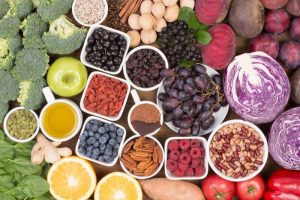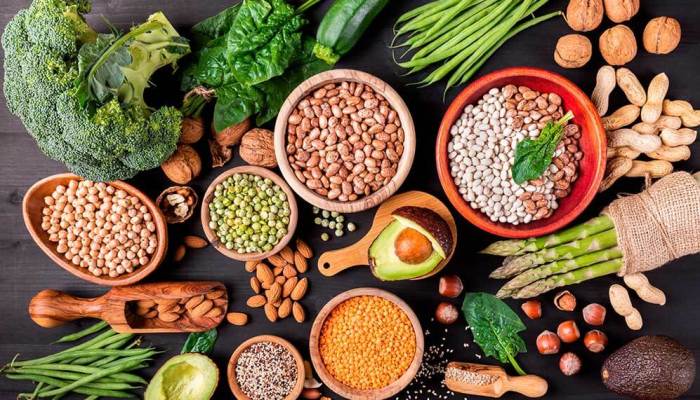
As Tips for achieving a balanced diet with plant-based proteins takes center stage, this opening passage beckons readers into a world crafted with good knowledge, ensuring a reading experience that is both absorbing and distinctly original.
This guide is designed to provide valuable insights on incorporating plant-based proteins into your diet, promoting overall health and well-being.
Balanced Diet with Plant-Based Proteins
When it comes to maintaining a balanced diet, incorporating plant-based proteins is essential for overall health and well-being. Plant-based proteins are not only rich in nutrients but also offer numerous health benefits.
Examples of Plant-Based Protein Sources
Here are some examples of plant-based protein sources that you can include in your daily meals:
- Legumes (such as lentils, chickpeas, and black beans)
- Nuts and seeds (such as almonds, chia seeds, and pumpkin seeds)
- Whole grains (such as quinoa, brown rice, and oats)
- Soy products (such as tofu, tempeh, and edamame)
- Vegetables (such as spinach, broccoli, and Brussels sprouts)
Importance of Incorporating Plant-Based Proteins
Incorporating plant-based proteins into your daily meals is crucial for several reasons:
- Plant-based proteins are rich in fiber, vitamins, and minerals, which are essential for overall health.
- They are often lower in saturated fat and cholesterol compared to animal-based proteins, making them a heart-healthy choice.
- Plant-based proteins can help reduce the risk of chronic diseases such as heart disease, diabetes, and certain types of cancer.
- By diversifying your protein sources with plant-based options, you can ensure you are getting a wide range of nutrients to support your body’s functions.
Mental Wellness and Plant-Based Proteins
Plant-based proteins play a crucial role in supporting mental wellness due to their impact on brain function and overall mood. A diet rich in plant-based proteins can help improve cognitive function, reduce inflammation in the brain, and provide essential nutrients that support mental health.
Benefits of Plant-Based Proteins for Mental Health
- Plant-based proteins contain amino acids that are essential for neurotransmitter production, which regulate mood and emotions.
- These proteins are rich in antioxidants and anti-inflammatory properties that help protect brain cells and reduce stress-related damage.
- Consuming plant-based proteins can improve overall gut health, which is linked to mental health through the gut-brain axis.
Tips for Incorporating Plant-Based Proteins for Mental Well-Being
- Include a variety of plant-based protein sources in your meals such as legumes, nuts, seeds, tofu, tempeh, and whole grains to ensure you are getting a complete set of amino acids.
- Opt for plant-based protein smoothies or snacks to boost your protein intake throughout the day and maintain stable blood sugar levels.
- Experiment with different plant-based protein sources and recipes to keep your meals interesting and enjoyable, promoting a positive relationship with food.
- Combine plant-based proteins with foods rich in vitamin B12, iron, zinc, and omega-3 fatty acids to support optimal brain function and mental well-being.
Physical Fitness and Plant-Based Proteins
Plant-based proteins play a crucial role in supporting physical fitness by providing the necessary nutrients for muscle recovery and strength building.
Examples of Plant-Based Protein-Rich Meals for Fitness Enthusiasts
- Quinoa and black bean salad with roasted vegetables
- Chickpea and vegetable stir-fry with tofu
- Lentil soup with a side of whole grain bread
How Plant-Based Proteins Aid in Muscle Recovery and Strength Building
Plant-based proteins contain essential amino acids that help in repairing and building muscles after a workout. They also provide a sustainable source of energy for endurance and strength training.
Adequate Hydration and Plant-Based Proteins
Staying hydrated is crucial when consuming plant-based proteins as it helps in the digestion and absorption of nutrients, supports overall bodily functions, and aids in maintaining energy levels.
Importance of Hydration with Plant-Based Proteins
Hydration plays a significant role in ensuring that plant-based proteins are effectively utilized by the body. Lack of proper hydration can hinder the digestion process and impact the absorption of essential nutrients from these proteins.
- Drink an adequate amount of water throughout the day to support the digestion of plant-based proteins.
- Include hydrating foods such as fruits like watermelon, cucumbers, and leafy greens in your meals to increase water intake.
- Opt for herbal teas, coconut water, or infused water to add variety to your hydration routine while consuming plant-based proteins.
Impact of Hydration on Nutrient Absorption
Proper hydration is essential for the efficient absorption of nutrients from plant-based proteins. Water helps in breaking down proteins into amino acids, which are then readily absorbed by the body for various functions.
Remember to drink water consistently throughout the day to support the digestion and absorption of plant-based proteins effectively.
Regular Exercise and Plant-Based Proteins
Regular exercise is essential for maintaining overall physical fitness and well-being. When combined with plant-based proteins, the benefits can be even more significant. Plant-based proteins offer a variety of nutrients that can support muscle growth, repair, and recovery, making them an excellent choice for individuals with an active lifestyle.
Pre-workout and Post-workout Plant-Based Protein Options
Including plant-based protein sources in your pre-workout and post-workout meals can help fuel your workouts and promote muscle recovery. Some options include:
- Pre-workout: A smoothie made with plant-based protein powder, almond milk, banana, and spinach.
- Post-workout: Tofu stir-fry with quinoa and vegetables for a balanced meal that aids in muscle recovery.
These options provide a good balance of carbohydrates, protein, and nutrients to support your exercise routine.
Benefits of Plant-Based Proteins for Energy and Muscle Maintenance
Plant-based proteins are rich in essential amino acids, vitamins, and minerals that are crucial for maintaining energy levels during exercise and supporting muscle growth and repair. They can help improve endurance, reduce muscle fatigue, and speed up recovery time after workouts.
Additionally, plant-based proteins are often easier to digest compared to animal-based proteins, making them a great choice for individuals with sensitive stomachs or digestive issues.Incorporating plant-based proteins into your diet can enhance the effectiveness of your exercise routine, leading to better overall fitness and performance.
Healthy Lifestyle with Plant-Based Proteins
Incorporating plant-based proteins into your diet can significantly contribute to a healthy lifestyle. Not only are plant-based proteins typically lower in saturated fats and cholesterol compared to animal-based proteins, but they also provide essential nutrients like fiber, vitamins, and minerals that are beneficial for overall health.
Environmental Benefits of Choosing Plant-Based Proteins
Choosing plant-based proteins over animal-based proteins can have a positive impact on the environment. Plant-based diets generally have a lower carbon footprint and require less water and land resources compared to animal agriculture. By opting for plant-based proteins, you can reduce your environmental impact and contribute to sustainability efforts.
Tips for Transitioning to a Plant-Based Diet
- Start gradually by incorporating more plant-based meals into your weekly menu.
- Experiment with different plant-based protein sources such as legumes, nuts, seeds, tofu, and tempeh.
- Educate yourself on balanced plant-based nutrition to ensure you are meeting your body’s needs.
- Seek guidance from a nutritionist or dietitian to help you create a well-rounded plant-based meal plan.
- Stay open-minded and be willing to try new plant-based recipes to keep your diet exciting and diverse.
Nutrient-Rich Plant-Based Proteins
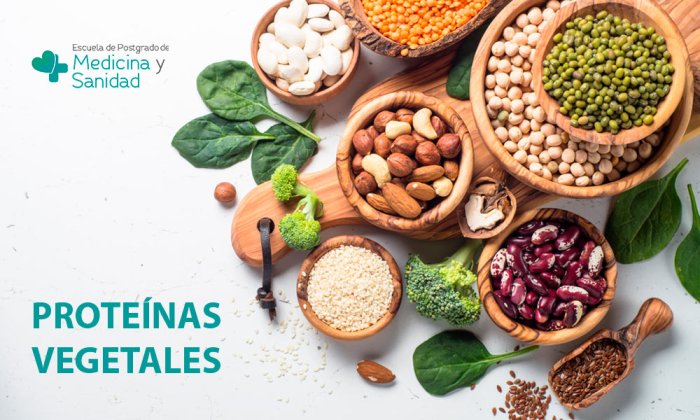
When it comes to plant-based proteins, not all sources are created equal. Some plant-based proteins are not only rich in protein but also packed with essential nutrients that are beneficial for overall health.
Identifying Nutrient-Rich Plant-Based Proteins
It’s important to include a variety of plant-based proteins in your diet to ensure you are getting a wide range of nutrients. Here are some nutrient-rich plant-based protein sources and their health benefits:
- Quinoa: High in protein and contains all nine essential amino acids, making it a complete protein source.
- Lentils: A great source of plant-based protein, fiber, and various vitamins and minerals such as iron and folate.
- Chickpeas: Packed with protein, fiber, and antioxidants that can help reduce inflammation and improve heart health.
- Tempeh: A fermented soy product that is rich in protein, probiotics, and nutrients like calcium and iron.
Importance of Variety in Plant-Based Proteins
Including a variety of plant-based proteins in your meals is crucial for overall nutrition. Different plant-based proteins offer different nutrients, so by incorporating a diverse range of sources, you can ensure you are meeting your body’s needs.
Tips for Creating Nutrient-Dense Meals
Here are some tips to create nutrient-dense meals with plant-based proteins:
- Combine different plant-based protein sources in one meal to ensure you are getting a good mix of nutrients.
- Incorporate plenty of colorful fruits and vegetables to add vitamins, minerals, and antioxidants to your meals.
- Include healthy fats like nuts, seeds, and avocado to boost the nutrient content of your plant-based meals.
- Aim to eat whole, minimally processed plant-based foods to maximize the nutritional value of your meals.
Stress Management and Plant-Based Proteins
Plant-based proteins play a crucial role in supporting stress management by providing essential nutrients that help regulate mood and promote relaxation. The impact of diet on stress levels and mental well-being is significant, as certain foods can either exacerbate or alleviate stress.
Incorporating plant-based protein options into your diet can help in managing stress effectively.
Plant-Based Proteins for Stress Relief
- Legumes such as lentils, chickpeas, and black beans are rich in protein, fiber, and minerals like magnesium, which can help relax muscles and reduce stress.
- Nuts and seeds like almonds, walnuts, and chia seeds contain healthy fats, antioxidants, and omega-3 fatty acids that support brain health and reduce anxiety.
- Tofu and tempeh are excellent sources of plant-based protein that can stabilize blood sugar levels, promoting a more balanced mood and reducing stress.
- Quinoa is a complete protein that also contains iron and B vitamins, essential for energy production and stress management.
Preventive Care with Plant-Based Proteins
Plant-based proteins play a crucial role in preventive healthcare by providing essential nutrients and promoting overall well-being. Incorporating plant-based proteins into your diet can help prevent chronic diseases and improve your health in the long run.
Importance of Plant-Based Proteins in Preventive Healthcare
Plant-based proteins are rich in fiber, antioxidants, vitamins, and minerals that can boost your immune system and reduce inflammation in the body. By consuming a variety of plant-based protein sources, you can lower your risk of developing conditions such as heart disease, diabetes, and certain types of cancer.
- Legumes like lentils, chickpeas, and black beans are excellent sources of plant-based proteins that can help maintain healthy cholesterol levels and support heart health.
- Nuts and seeds such as almonds, chia seeds, and hemp seeds are packed with protein, healthy fats, and essential nutrients that can aid in weight management and reduce the risk of obesity-related diseases.
- Whole grains like quinoa, brown rice, and oats provide a good amount of protein and fiber, helping to regulate blood sugar levels and improve digestive health.
Examples of Plant-Based Protein-Rich Meals
Incorporating plant-based protein-rich meals into your diet is simple and delicious. Here are some examples of nutrient-dense meals that can help you maintain optimal health:
Mixed berry and spinach smoothie with plant-based protein powder, topped with granola and seeds for a balanced breakfast.
Quinoa salad with roasted vegetables, chickpeas, and a tahini dressing for a satisfying and protein-packed lunch option.
Black bean and sweet potato tacos with avocado and salsa for a flavorful and plant-based dinner choice.
Proper Nutrition and Plant-Based Proteins
Proper nutrition is essential for overall health and well-being, and plant-based proteins play a crucial role in achieving a well-rounded diet. These proteins are not only rich in essential nutrients but also offer numerous health benefits.
Benefits of Plant-Based Proteins in a Balanced Diet
Plant-based proteins such as legumes, nuts, seeds, tofu, tempeh, and whole grains are excellent sources of protein, fiber, vitamins, and minerals. They are also low in saturated fats and cholesterol, making them heart-healthy options. Including a variety of plant-based proteins in your diet can help you meet your daily protein requirements and maintain optimal health.
- Ensure Adequate Protein Intake: Incorporate a variety of plant-based protein sources in your meals to ensure you are getting all essential amino acids.
- Focus on Whole Foods: Choose whole, minimally processed plant-based proteins to maximize nutrient intake and avoid added sugars, salt, and unhealthy fats.
- Include a Rainbow of Colors: Different plant-based proteins offer a variety of nutrients, so aim to include a colorful array of fruits, vegetables, legumes, and grains in your diet.
- Balance Macronutrients: Pair plant-based proteins with complex carbohydrates, healthy fats, and fiber-rich foods to create balanced meals that provide sustained energy and promote satiety.
- Stay Hydrated: Drink plenty of water throughout the day to support digestion and nutrient absorption from plant-based foods.
Importance of Balance and Variety in Plant-Based Protein Consumption
Balancing your plant-based protein intake with a variety of sources is key to obtaining all the essential nutrients your body needs. Each plant-based protein source offers a unique nutrient profile, so consuming a diverse range of foods ensures you are meeting your nutritional requirements.
- Rotate Protein Sources: Alternate between different plant-based proteins to ensure you are getting a wide range of nutrients and prevent nutrient deficiencies.
- Experiment with New Foods: Try incorporating unfamiliar plant-based proteins into your diet to discover new flavors and nutrient benefits.
- Consult a Registered Dietitian: If you are unsure about meeting your nutritional needs on a plant-based diet, seek guidance from a professional to create a well-balanced meal plan.
Quality Sleep and Plant-Based Proteins
Plant-based proteins play a crucial role in promoting quality sleep and overall well-being. By incorporating plant-based protein sources into your diet, you can improve your sleep patterns and enjoy better restorative sleep.
Plant-Based Protein Sources for Better Sleep
- Legumes: Beans, lentils, and chickpeas are excellent sources of plant-based proteins that also contain tryptophan, an amino acid that helps regulate sleep.
- Nuts and Seeds: Almonds, walnuts, chia seeds, and flaxseeds are rich in protein and also contain magnesium, which can help relax muscles and promote sleep.
- Whole Grains: Quinoa, brown rice, and oats are great plant-based protein sources that can stabilize blood sugar levels and contribute to a more restful night’s sleep.
Benefits of Plant-Based Proteins for Sleep
Plant-based proteins are often easier to digest compared to animal proteins, which can lead to less discomfort and better sleep. Additionally, plant-based proteins are typically lower in saturated fats, making them a healthier option for overall well-being. By prioritizing plant-based proteins in your diet, you can support your body’s natural sleep cycles and improve the quality of your rest.
Cardio Health and Plant-Based Proteins
Plant-based proteins play a crucial role in supporting cardiovascular health by offering a variety of nutrients that are beneficial for the heart. These proteins are often lower in saturated fats and cholesterol compared to animal-based proteins, making them a heart-healthy choice for individuals looking to improve their cardiovascular well-being.
Benefits of Plant-Based Proteins for Cardiovascular Health
- Plant-based proteins are rich in fiber, antioxidants, and phytonutrients that help reduce inflammation and improve blood flow, lowering the risk of heart disease.
- They contain essential amino acids that support muscle function and overall heart health.
- Plant-based proteins can help lower blood pressure and cholesterol levels, reducing the risk of hypertension and atherosclerosis.
Examples of Heart-Healthy Plant-Based Protein Meals
| Meal | Plant-Based Protein Source |
|---|---|
| Quinoa Salad | Quinoa, chickpeas, almonds |
| Black Bean Tacos | Black beans, avocado, tofu |
| Lentil Soup | Lentils, vegetables, whole grains |
| Chia Seed Pudding | Chia seeds, almond milk, berries |
Immune Boost with Plant-Based Proteins
Plant-based proteins play a crucial role in boosting the immune system by providing essential nutrients that support overall health and immune function. Incorporating a variety of plant-based proteins into your diet can help strengthen your body’s defense mechanisms and improve your overall well-being.
Nutrients Supporting Immunity in Plant-Based Proteins
- Plant-based proteins are rich in vitamins, minerals, and antioxidants that are essential for a healthy immune system.
- Key nutrients found in plant-based proteins, such as vitamin C, vitamin E, zinc, and selenium, help to support immune function and protect against infections.
- Phytonutrients, like flavonoids and carotenoids, present in plant-based proteins have anti-inflammatory and immune-boosting properties.
Tips for Incorporating Immune-Boosting Plant-Based Proteins into the Diet
- Include a variety of plant-based protein sources such as legumes, nuts, seeds, whole grains, and soy products in your meals to ensure a well-rounded nutrient intake.
- Add leafy greens, colorful fruits and vegetables, and herbs and spices to your plant-based protein dishes to maximize the antioxidant and immune-boosting benefits.
- Prepare balanced meals that combine plant-based proteins with other nutrient-rich foods to enhance the overall nutritional value and immune-boosting properties of your diet.
Positive Mindset and Plant-Based Proteins
Plant-based proteins play a crucial role in promoting a positive mindset and overall mental well-being. By incorporating plant-based protein sources into your diet, you can enhance your mood, boost your energy levels, and support cognitive function.
Connection between Plant-Based Proteins and a Positive Mindset
Eating plant-based proteins such as legumes, nuts, seeds, tofu, and tempeh can help increase the production of neurotransmitters like serotonin and dopamine, which are known to regulate mood and promote feelings of happiness and well-being. These proteins also contain essential amino acids that support brain health and cognitive function, ultimately contributing to a positive mindset.
Mood-Boosting Plant-Based Protein Options
- Chickpeas: Rich in protein and fiber, chickpeas can help stabilize blood sugar levels and prevent mood swings.
- Quinoa: A complete protein source, quinoa contains all nine essential amino acids and can help improve neurotransmitter function.
- Almonds: Packed with protein, healthy fats, and magnesium, almonds can reduce stress and anxiety levels while promoting a positive mood.
Impact of Diet on Overall Mood and Mental Outlook
Maintaining a balanced diet rich in plant-based proteins, along with a variety of fruits, vegetables, whole grains, and healthy fats, can have a significant impact on your overall mood and mental outlook. By fueling your body with nutrient-dense foods, you can support brain health, reduce inflammation, and improve your emotional well-being.
Remember, a healthy diet is not only beneficial for your physical health but also plays a vital role in maintaining a positive mindset and mental wellness.
Clean Eating with Plant-Based Proteins: Tips For Achieving A Balanced Diet With Plant-based Proteins
When it comes to clean eating with plant-based proteins, the focus is on consuming whole, minimally processed foods that are rich in nutrients and free from additives or artificial ingredients. This approach emphasizes the importance of choosing high-quality plant sources to support overall health and well-being.
Choosing Clean Plant-Based Protein Sources
Opting for clean plant-based protein sources can have a positive impact on your diet and health. Here are some tips for selecting the best options:
- Look for whole foods such as legumes, nuts, seeds, and whole grains that are minimally processed.
- Choose organic and non-GMO options whenever possible to avoid exposure to pesticides and genetically modified ingredients.
- Read labels carefully to ensure that the product contains simple, recognizable ingredients without added sugars, artificial flavors, or preservatives.
- Consider purchasing fresh produce from local farmers markets or joining a community-supported agriculture (CSA) program for the freshest and most nutrient-dense options.
Benefits of Clean Eating for Health
Adopting a clean eating approach with plant-based proteins can offer numerous benefits for your overall health and well-being:
- Improved digestion and nutrient absorption due to the high fiber content of whole plant foods.
- Enhanced energy levels and better management of weight due to the nutrient-dense nature of clean plant-based proteins.
- Reduced risk of chronic diseases such as heart disease, diabetes, and certain types of cancer by consuming a diet rich in antioxidants and phytonutrients.
- Support for a healthy immune system and reduced inflammation in the body, promoting optimal health and longevity.
Daily Activity and Plant-Based Proteins
Plant-based proteins play a crucial role in supporting daily physical activity by providing the necessary nutrients for energy and muscle recovery. Incorporating plant-based protein options into on-the-go snacks and meals can help active individuals maintain their energy levels and support their overall fitness goals.
Plant-Based Protein Options for On-the-Go Snacks and Meals
- Roasted chickpeas: A crunchy and protein-packed snack that is easy to carry around.
- Trail mix with nuts and seeds: A convenient and nutritious option for quick energy on the go.
- Plant-based protein bars: A convenient way to refuel after a workout or as a mid-day snack.
Plant-Based Protein-Rich Recipes for Active Individuals
- Quinoa salad with black beans and avocado: A satisfying meal packed with protein, fiber, and healthy fats.
- Lentil soup with vegetables: A hearty and nutritious option for a post-workout meal.
- Tofu stir-fry with mixed vegetables: A delicious and protein-rich dish that is quick and easy to prepare.
Holistic Health and Plant-Based Proteins
Plant-based proteins play a crucial role in promoting holistic health by providing essential nutrients that contribute to overall well-being. They offer a wide range of health benefits, including improved digestion, heart health, and weight management. Incorporating plant-based proteins into your diet can help you achieve a balanced and healthy lifestyle.
Benefits of Plant-Based Proteins for Holistic Health
- Plant-based proteins are rich in fiber, vitamins, minerals, and antioxidants, which support optimal health and well-being.
- They are easier to digest compared to animal proteins, reducing the risk of digestive issues and promoting gut health.
- Plant-based proteins can help lower cholesterol levels, reduce inflammation, and support a healthy immune system.
- By consuming a variety of plant-based proteins, you can ensure that your body receives all the essential amino acids needed for muscle growth and repair.
Tips for Incorporating Plant-Based Proteins into a Holistic Health Regimen, Tips for achieving a balanced diet with plant-based proteins
- Include a variety of plant-based proteins in your meals, such as beans, lentils, quinoa, tofu, nuts, and seeds.
- Opt for whole food sources of plant-based proteins rather than processed alternatives to maximize nutrient intake.
- Experiment with different plant-based protein sources and recipes to keep your meals exciting and flavorful.
- Consider incorporating plant-based protein powders or supplements into your diet if needed, but prioritize whole foods whenever possible.
- Consult with a healthcare provider or nutritionist to ensure you are meeting your protein needs and maintaining a balanced diet.
Mindful Living with Plant-Based Proteins
Plant-based proteins not only nourish our bodies but also align with mindful living practices by promoting a more conscious and intentional approach to eating. Mindful eating with plant-based proteins involves being present in the moment, savoring each bite, and paying attention to how food affects our bodies and overall well-being.
The connection between mindfulness and healthy plant-based protein consumption lies in the focus on quality, whole foods that support both physical and mental health.
Tips for Mindful Eating with Plant-Based Proteins
- Avoid distractions while eating, such as watching TV or using electronic devices, to fully appreciate the flavors and textures of plant-based protein-rich meals.
- Chew slowly and savor each bite to improve digestion and allow your brain to register feelings of fullness, preventing overeating.
- Listen to your body’s hunger and fullness cues to eat when you are genuinely hungry and stop when you are satisfied, rather than eating out of habit or emotions.
- Practice gratitude for the nourishing plant-based foods on your plate, acknowledging the effort and resources that went into producing them.
- Cultivate awareness of how different plant-based proteins make you feel, both physically and emotionally, to make informed choices that support your well-being.
Connection between Mindfulness and Healthy Plant-Based Protein Consumption
Plant-based proteins require a mindful approach to appreciate their flavors, textures, and nutritional benefits fully. By practicing mindfulness in our eating habits, we can develop a deeper connection to the food we consume, leading to better digestion, improved satisfaction, and a more balanced relationship with nourishment.
Mindful living with plant-based proteins extends beyond the plate, encouraging us to be more present, intentional, and grateful for the nourishment that sustains our bodies and minds.
Emotional Balance and Plant-Based Proteins
Plant-based proteins play a crucial role in supporting emotional balance by providing essential nutrients that can positively impact mood and overall well-being. These proteins are rich in amino acids, vitamins, and minerals that are beneficial for mental health.
Plant-Based Protein Sources for Mood Regulation
- Legumes such as lentils, chickpeas, and black beans are excellent sources of plant-based proteins that can help regulate mood due to their high levels of folate, a B vitamin that supports neurotransmitter function.
- Nuts and seeds like almonds, chia seeds, and flaxseeds contain omega-3 fatty acids, which have been linked to improved mood and reduced symptoms of depression.
- Quinoa, tofu, and tempeh are complete plant-based proteins that provide all essential amino acids necessary for neurotransmitter synthesis, promoting stable mood levels.
- Soy products like edamame, soy milk, and tofu are rich in isoflavones, which have been shown to have a positive impact on mood and emotional well-being.
Impact of Diet on Emotional Well-Being
It is essential to recognize the significant impact that diet can have on emotional well-being and balance. Consuming a diet rich in plant-based proteins and nutrient-dense foods can help regulate neurotransmitters, such as serotonin and dopamine, which are crucial for mood stability.
Furthermore, a diet high in processed foods, sugars, and unhealthy fats can lead to inflammation in the body, negatively affecting brain function and contributing to mood disorders like anxiety and depression.
Health Education and Plant-Based Proteins
Health education plays a crucial role in helping individuals understand the importance of incorporating plant-based proteins into their diet. By educating ourselves and others about the benefits of plant-based proteins, we can make informed choices that support our overall well-being.
The Importance of Health Education in Understanding Plant-Based Proteins
Health education helps us understand the nutritional value of plant-based proteins and how they can contribute to a balanced diet. By learning about different sources of plant-based proteins and their benefits, we can make informed decisions about our food choices.
Resources for Learning More About Plant-Based Proteins
- Consult reputable websites and books that provide information on plant-based proteins and their health benefits.
- Attend workshops or seminars focused on plant-based nutrition to deepen your knowledge.
- Follow nutritionists and dietitians on social media platforms for valuable insights and tips on incorporating plant-based proteins into your diet.
Tips for Educating Others on the Advantages of Plant-Based Proteins
- Share personal experiences and success stories of incorporating plant-based proteins into your diet.
- Organize cooking classes or tasting sessions to introduce others to delicious plant-based protein options.
- Create informative materials such as brochures or infographics highlighting the benefits of plant-based proteins for overall health.
Self-Care and Plant-Based Proteins
Incorporating plant-based proteins into your diet is a powerful form of self-care that can benefit both your mental and physical well-being. By choosing plant-based protein sources, you not only nourish your body but also contribute to a more sustainable and eco-friendly lifestyle.
Self-Care Practices with Plant-Based Proteins
- Start your day with a nutrient-packed smoothie made with plant-based protein powder, fruits, and leafy greens. This will give you a healthy boost of energy to kickstart your day.
- Prepare balanced meals with a variety of plant-based protein sources such as beans, lentils, tofu, tempeh, quinoa, and nuts to ensure you are getting all essential amino acids.
- Practice mindful eating by savoring each bite of your plant-based meals, focusing on the flavors and textures to fully enjoy the nourishment you are providing your body.
- Stay hydrated by drinking plenty of water throughout the day to support digestion and overall well-being, complementing your plant-based protein intake.
Mental and Physical Benefits of Self-Care with Plant-Based Foods
- Improved mood and mental clarity: Plant-based proteins are rich in nutrients that support brain health, helping to enhance cognitive function and reduce feelings of stress and anxiety.
- Enhanced physical performance: Consuming plant-based proteins can help build and repair muscle tissue, leading to improved strength and endurance during physical activities.
- Better digestion and gut health: Plant-based proteins are often easier to digest than animal proteins, promoting a healthy gut microbiome and reducing the risk of digestive issues.
- Weight management: Plant-based proteins are typically lower in saturated fats and calories, making them a great option for maintaining a healthy weight and supporting overall wellness.
Chronic Disease Prevention with Plant-Based Proteins
Plant-based proteins play a crucial role in preventing chronic diseases by providing essential nutrients and promoting overall health. These proteins have been linked to reducing the risk factors associated with various illnesses, making them a valuable component of a balanced diet.
Impact of Plant-Based Proteins on Reducing Disease Risk Factors
- Plant-based proteins are rich in fiber, vitamins, minerals, and antioxidants that help lower inflammation in the body, reducing the risk of chronic diseases such as heart disease, diabetes, and certain types of cancer.
- Consuming plant-based proteins can help maintain healthy cholesterol levels, blood pressure, and blood sugar, which are key factors in preventing cardiovascular diseases and diabetes.
- Studies have shown that a diet high in plant-based proteins is associated with a lower incidence of obesity, which is a major risk factor for many chronic diseases.
Examples of Plant-Based Protein-Rich Meals for Disease Prevention
- A quinoa salad with chickpeas, spinach, and almonds is a nutrient-dense meal that provides a good source of plant-based proteins, fiber, and healthy fats, promoting heart health and overall well-being.
- A tofu stir-fry with mixed vegetables and brown rice is a balanced meal rich in plant-based proteins, vitamins, and minerals, supporting immune function and reducing the risk of chronic diseases.
- A lentil soup with tomatoes, carrots, and kale is a comforting and nourishing dish that offers a combination of plant-based proteins, antioxidants, and phytonutrients, contributing to a healthy lifestyle and disease prevention.
Final Review
In conclusion, embracing a diet rich in plant-based proteins can lead to numerous health benefits, making it a smart choice for a balanced and nutritious lifestyle.
FAQ Explained
Can I get enough protein from plant-based sources alone?
Yes, by incorporating a variety of plant-based protein sources like legumes, tofu, and quinoa, you can meet your protein needs.
How can I ensure I’m getting all the essential nutrients on a plant-based diet?
It’s important to eat a diverse range of plant-based foods including fruits, vegetables, nuts, and seeds to ensure you’re getting all the necessary nutrients.
Are there any plant-based proteins that can help with muscle recovery after exercise?
Plant-based proteins like lentils, chickpeas, and tempeh are excellent choices to support muscle recovery and strength building.