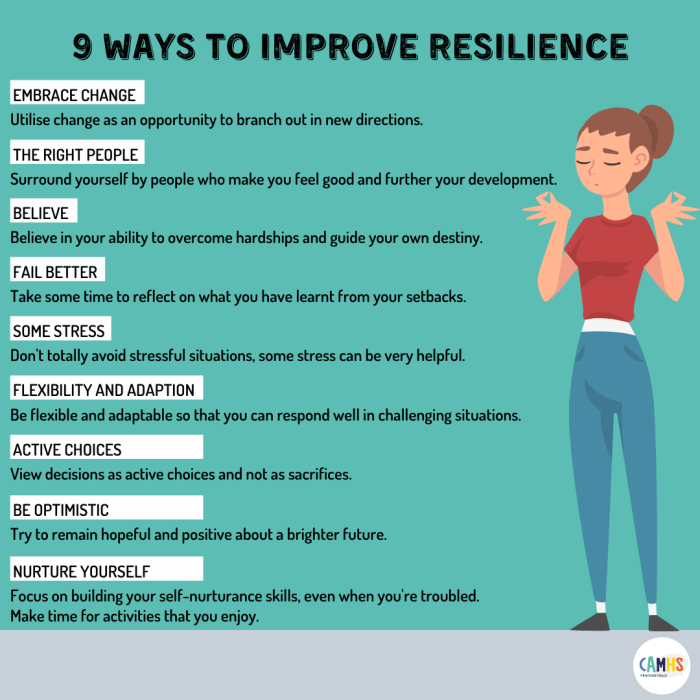
Kicking off with How to develop resilience for long-term mental wellness, this opening paragraph is designed to captivate and engage the readers, setting the tone casual formal language style that unfolds with each word.
In today’s fast-paced world, maintaining good mental health is essential for overall well-being. Developing resilience is key to long-term mental wellness, and this guide will explore various strategies to help you build that resilience. From balanced diet to stress management, each aspect plays a crucial role in enhancing your mental strength and endurance.
Let’s dive in and discover how you can cultivate resilience for a healthier mind and life.
Balanced Diet
Eating a balanced diet is crucial for maintaining good mental wellness. The nutrients in the food we consume play a significant role in supporting brain function and overall emotional well-being.A diet rich in nutrient-dense foods can help promote resilience and improve our ability to cope with stress and challenges.
Some examples of foods that are beneficial for mental health include:
- Fatty fish like salmon, which is high in omega-3 fatty acids known to support brain health.
- Leafy greens such as spinach and kale, which are rich in folate that helps regulate mood.
- Nuts and seeds like almonds and chia seeds, which provide essential nutrients for brain function.
- Whole grains like quinoa and brown rice, which release energy slowly and help stabilize mood.
- Berries such as blueberries and strawberries, which are packed with antioxidants that protect brain cells from damage.
A balanced diet not only provides the necessary nutrients for optimal brain function but also helps regulate blood sugar levels, which can impact mood stability. By fueling our bodies with a variety of wholesome foods, we support our mental resilience in the long run.
Physical Fitness
Regular physical activity and exercise play a significant role in developing resilience for long-term mental wellness. The relationship between physical fitness and mental resilience is quite strong, as exercise has been shown to have numerous benefits for mental health.
Types of Exercises
- Aerobic exercises such as running, swimming, or cycling can help improve mood and reduce symptoms of anxiety and depression.
- Strength training exercises like weightlifting or bodyweight exercises can boost self-esteem and confidence.
- Yoga and Pilates focus on mindfulness and relaxation, promoting stress reduction and mental clarity.
- Dance classes or other forms of group exercise can enhance social connections and provide a sense of community support.
Regular exercise can improve long-term mental health by releasing endorphins, the body’s natural mood elevators, reducing inflammation in the brain, and improving sleep quality. Additionally, physical fitness can help individuals cope better with stress, increase cognitive function, and enhance overall well-being.
Adequate Hydration
Maintaining proper hydration is crucial for overall health, including mental well-being. Dehydration can lead to cognitive decline, mood swings, and decreased focus, impacting resilience in the long run.
Role of Hydration in Mental Well-being
- Hydration plays a key role in maintaining brain function and emotional balance.
- Water is essential for transporting nutrients and oxygen to the brain, helping it function optimally.
- Dehydration can lead to fatigue, irritability, and difficulty concentrating, affecting mental wellness.
Benefits of Staying Hydrated for Resilience
- Improved cognitive function and mental clarity.
- Enhanced mood stability and emotional well-being.
- Increased energy levels and overall resilience to stressors.
Tips for Ensuring Adequate Hydration
- Carry a reusable water bottle with you throughout the day to track your water intake.
- Set reminders to drink water regularly, especially if you have a busy schedule.
- Incorporate hydrating foods such as fruits, vegetables, and soups into your diet.
- Avoid excessive consumption of caffeinated or sugary drinks, as they can lead to dehydration.
- Monitor the color of your urine – pale yellow indicates proper hydration.
Stress Management
Managing stress effectively is crucial for enhancing resilience and maintaining long-term mental wellness. Stress can have a significant impact on our mental health, so it is important to develop strategies to cope with it and mitigate its effects.
Mindfulness Meditation
- Practice mindfulness meditation to help reduce stress and increase mental clarity.
- Allocate a few minutes each day to focus on your breathing and be present in the moment.
- Engage in guided meditation sessions or use mindfulness apps to support your practice.
Physical Exercise, How to develop resilience for long-term mental wellness
- Regular physical exercise can help reduce stress levels and improve mood.
- Engage in activities like walking, jogging, yoga, or dancing to release endorphins and boost your mental well-being.
- Find an exercise routine that you enjoy and make it a consistent part of your schedule.
Healthy Coping Mechanisms
- Develop healthy coping mechanisms such as journaling, talking to a friend, or engaging in a hobby.
- Avoid unhealthy coping strategies like excessive drinking, smoking, or emotional eating.
- Seek professional help if you feel overwhelmed and unable to cope with stress on your own.
Quality Sleep
Quality sleep plays a crucial role in maintaining mental resilience and overall well-being. When we consistently get enough high-quality sleep, our brain has the opportunity to rest, recharge, and process emotions effectively. This can help us better cope with stress, regulate our emotions, and make sound decisions.
Tips for Improving Sleep Quality
- Avoid stimulants like caffeine and electronic devices before bedtime.
- Create a relaxing bedtime routine to signal to your body that it’s time to wind down.
- Ensure your sleep environment is comfortable, cool, dark, and quiet.
- Stick to a consistent sleep schedule, even on weekends, to regulate your body’s internal clock.
- Limit daytime naps and engage in regular physical activity to promote better sleep.
Importance of Establishing a Healthy Sleep Routine
Establishing a healthy sleep routine is essential for long-term mental wellness. Consistent and restful sleep allows our brains to consolidate memories, regulate mood, and repair tissues. It also helps improve cognitive function, concentration, and overall productivity during waking hours. By prioritizing quality sleep and maintaining a healthy sleep routine, we can enhance our mental resilience and better navigate life’s challenges.
Preventive Care
Preventive care plays a crucial role in maintaining mental health and building resilience against mental health issues. By taking proactive measures to prevent mental health problems, individuals can improve their overall well-being and reduce the risk of developing serious conditions.
Importance of Preventive Care
- Regular exercise and physical activity can help reduce stress, anxiety, and depression, boosting mental resilience.
- Engaging in relaxation techniques such as meditation or yoga can improve emotional stability and mental clarity.
- Maintaining a balanced diet rich in nutrients can support brain health and cognitive function, reducing the risk of mental health disorders.
Preventive Measures for Mental Health
- Seeking therapy or counseling to address underlying issues before they escalate into more severe mental health conditions.
- Building a strong support system of friends, family, or mental health professionals can provide a safety net during challenging times.
- Practicing self-care routines such as regular relaxation, hobbies, and time for oneself can help prevent burnout and mental exhaustion.
Role of Regular Check-ups and Screenings
- Regular mental health check-ups can help detect early signs of mental health issues and facilitate timely intervention and treatment.
- Screenings for conditions like depression, anxiety, or PTSD can help individuals understand their mental health status and take necessary steps to improve it.
- Consulting with mental health professionals for routine evaluations can provide valuable insights into one’s mental well-being and resilience levels.
Cardio Health: How To Develop Resilience For Long-term Mental Wellness
Regular cardiovascular exercise plays a crucial role in enhancing mental resilience and overall well-being. By engaging in activities that benefit our heart and lungs, we can improve our ability to cope with stress and maintain a positive mindset.
Benefits of Cardiovascular Exercises for Mental Well-being
Cardiovascular exercises offer a wide range of benefits for our mental health, including:
- Reduction of stress and anxiety levels
- Release of endorphins, which are natural mood lifters
- Improved cognitive function and focus
- Enhanced self-esteem and confidence
Examples of Cardio Activities for Long-term Mental Wellness
Engaging in various forms of cardiovascular exercises can contribute to long-term mental wellness. Some examples include:
- Running or jogging
- Cycling
- Swimming
- Dancing
- Aerobics classes
Immune Boost
Boosting the immune system is crucial for supporting mental resilience. A strong immune system can help the body fight off illnesses and reduce inflammation, which in turn can have a positive impact on mental well-being.
Immune-Boosting Practices
- Eat a balanced diet rich in fruits, vegetables, whole grains, and lean proteins to provide essential nutrients for immune function.
- Engage in regular physical activity to promote circulation and overall health, which can strengthen the immune system.
- Manage stress through techniques like meditation, deep breathing, or yoga to reduce the impact of stress hormones on immune response.
- Get adequate sleep to allow the body to repair and regenerate, supporting immune function.
- Stay hydrated by drinking plenty of water to help flush out toxins and support immune health.
Link Between Immune System and Mental Well-Being
A strong immune system is closely linked to overall mental well-being. When the body is able to fight off infections and reduce inflammation, it can help prevent the development of mental health conditions like depression and anxiety. Additionally, a healthy immune system can provide a sense of overall well-being and vitality, contributing to a positive mental state.
Positive Mindset
Maintaining a positive mindset is crucial for mental wellness as it can help individuals navigate through life’s challenges with resilience and optimism. Having a positive outlook can significantly impact one’s overall well-being and mental health.
Strategies for Cultivating a Positive Outlook
- Practice gratitude: Take time each day to reflect on the things you are grateful for, no matter how small they may seem.
- Avoid negative self-talk: Challenge negative thoughts and replace them with positive affirmations.
- Surround yourself with positive influences: Spend time with supportive and uplifting individuals who encourage positivity.
- Engage in activities that bring joy: Pursue hobbies or activities that make you happy and bring a sense of fulfillment.
Contribution to Long-Term Mental Health
A positive mindset can contribute to long-term mental health by reducing stress, improving coping mechanisms, and enhancing overall resilience. When faced with adversity, individuals with a positive outlook are better equipped to navigate challenges and maintain emotional well-being. Cultivating a positive mindset is a powerful tool in promoting mental wellness and building lasting resilience.
Self-Care
Self-care practices play a crucial role in promoting mental resilience by helping individuals prioritize their well-being and manage stress effectively. By incorporating self-care routines into daily life, individuals can improve their long-term mental well-being and enhance their overall quality of life.
Self-Care Tips for Improving Long-Term Mental Well-Being
- Practice mindfulness and meditation to reduce stress and promote mental clarity.
- Engage in activities that bring you joy and relaxation, such as hobbies or spending time in nature.
- Set boundaries to protect your time and energy, saying no when necessary to avoid burnout.
- Prioritize self-care activities like exercise, healthy eating, and adequate sleep to support your mental health.
- Seek support from loved ones or a therapist to process emotions and build resilience.
Impact of Self-Care Routines on Overall Mental Health
Self-care routines have a profound impact on overall mental health, helping individuals build resilience, cope with challenges, and maintain a positive mindset. By taking the time to prioritize self-care, individuals can better manage stress, reduce anxiety, and improve their emotional well-being.
Consistent self-care practices can also enhance self-esteem, foster self-awareness, and promote a sense of balance in life.
Closure
In conclusion, building resilience for long-term mental wellness requires a holistic approach that encompasses various aspects of health. By incorporating strategies like maintaining a balanced diet, staying physically active, managing stress effectively, and prioritizing self-care, you can equip yourself with the tools needed to navigate life’s challenges with greater ease and grace.
Remember, resilience is not about avoiding difficulties but about facing them head-on and emerging stronger on the other side.
Commonly Asked Questions
How does a balanced diet contribute to mental wellness?
A balanced diet provides essential nutrients that support brain function and emotional well-being, promoting resilience against mental health issues.
Why is physical fitness important for mental resilience?
Physical fitness improves overall health and releases endorphins, which can boost mood and enhance mental resilience in the long run.
What role does hydration play in maintaining mental well-being?
Proper hydration is crucial for cognitive function and emotional stability, supporting resilience and mental wellness.
How can a positive mindset contribute to long-term mental health?
Maintaining a positive mindset can reduce stress, improve coping mechanisms, and foster resilience, leading to better mental health outcomes over time.


