
Proper nutrition guidelines for athletes aim to optimize their performance and well-being through strategic dietary choices and habits. As athletes strive to excel in their respective sports, the significance of maintaining a balanced diet and overall healthy lifestyle cannot be overstated.
Let’s delve deeper into the key factors that contribute to the success of athletes in their nutritional journey.
Balancing the right nutrients, staying mentally sharp, and engaging in regular exercise are just a few pieces of the puzzle that make up the comprehensive approach to nutrition for athletes. By understanding the interconnectedness of nutrition, physical activity, and mental wellness, athletes can unlock their true potential on and off the field.
Balanced Diet
Eating a balanced diet is crucial for athletes as it provides the necessary nutrients to support their training, performance, and overall health. A well-rounded diet ensures that athletes have the energy, stamina, and strength needed to excel in their sport.
Examples of Nutrient-rich Foods
- Fruits and vegetables: These provide essential vitamins, minerals, and antioxidants to support overall health and recovery.
- Lean proteins: Foods like chicken, fish, tofu, and legumes are important for muscle repair and growth.
- Whole grains: Opt for whole grain bread, pasta, and rice to fuel your body with complex carbohydrates for sustained energy.
- Healthy fats: Include sources like nuts, seeds, avocado, and olive oil to support brain function and energy production.
- Dairy or dairy alternatives: These provide calcium and vitamin D for strong bones and muscle function.
Impact on Athletic Performance
A balanced diet directly impacts athletic performance by ensuring that athletes have the necessary nutrients to optimize their training, recovery, and overall health. Nutrient-rich foods help athletes maintain a healthy weight, support muscle growth and repair, boost energy levels, and enhance endurance.
By fueling their bodies with the right nutrients, athletes can improve their performance, reduce the risk of injuries, and recover more effectively after intense training sessions or competitions.
Mental Wellness
Maintaining mental wellness is crucial for athletes as it directly impacts their performance on the field. A healthy mindset can enhance focus, motivation, and overall well-being, leading to improved athletic achievements.Exercising regularly, practicing mindfulness techniques such as meditation or yoga, and seeking support from mental health professionals can all contribute to maintaining mental wellness as an athlete.
Additionally, setting realistic goals, managing stress effectively, and ensuring adequate rest and recovery are essential strategies to promote a positive mental state.
Strategies for Maintaining Mental Wellness
- Practice relaxation techniques such as deep breathing exercises to reduce stress levels.
- Engage in hobbies or activities outside of sports to maintain a healthy balance in life.
- Seek social support from friends, family, or teammates to create a strong support system.
- Stay organized and manage time effectively to reduce feelings of overwhelm.
- Regularly check in with a mental health professional to address any concerns or issues.
Physical Fitness
Proper physical fitness plays a crucial role in an athlete’s training regimen as it directly impacts their overall performance and endurance on the field. It involves a combination of strength, flexibility, agility, and cardiovascular fitness.
Examples of Exercises to Improve Physical Fitness
- Strength Training: Weightlifting, bodyweight exercises like push-ups and squats.
- Flexibility Training: Yoga, stretching exercises.
- Agility Training: Cone drills, ladder drills, shuttle runs.
- Cardiovascular Training: Running, cycling, swimming.
Benefits of Being Physically Fit for Athletic Performance
- Enhanced endurance and stamina during long matches or games.
- Improved strength and power for explosive movements like sprinting or jumping.
- Reduced risk of injuries due to better muscle strength and flexibility.
- Quicker recovery times after intense training sessions or competitions.
Adequate Hydration
Proper hydration is essential for athletes to maintain optimal performance and overall health. Water is crucial for regulating body temperature, transporting nutrients, and lubricating joints. Dehydration can lead to fatigue, muscle cramps, and decreased endurance, affecting an athlete’s ability to perform at their best.
Hydration Guidelines for Athletes
- Athletes should drink about 17-20 ounces of water 2-3 hours before exercise to ensure they are adequately hydrated.
- During exercise, it is recommended to drink 7-10 ounces of water every 10-20 minutes to replace fluids lost through sweat.
- After training or competition, athletes should continue to hydrate by consuming 16-24 ounces of water for every pound lost during exercise.
Remember to listen to your body’s thirst cues and adjust your fluid intake accordingly.
Effects of Dehydration on Athletic Performance
- Dehydration can lead to a decrease in coordination, reaction time, and overall performance.
- Muscle cramps and fatigue are common symptoms of dehydration, which can hinder an athlete’s ability to sustain intensity and power during exercise.
- Prolonged dehydration can also increase the risk of heat-related illnesses and injuries.
Regular Exercise
Regular exercise is a crucial component of an athlete’s routine as it plays a significant role in enhancing performance, improving endurance, and promoting overall health and fitness. By incorporating various types of exercises into their training regimen, athletes can effectively target different muscle groups, improve flexibility, and prevent injuries.
Types of Exercises for Athletes
- Cardiovascular exercises such as running, cycling, swimming, or rowing help improve cardiovascular health, endurance, and stamina.
- Strength training exercises like weightlifting, bodyweight exercises, and resistance band workouts help build muscle strength, power, and agility.
- Flexibility exercises including stretching, yoga, and Pilates help improve range of motion, reduce muscle stiffness, and enhance mobility.
- Balance and stability exercises such as core workouts, balance boards, and stability ball exercises help improve coordination, proprioception, and prevent falls or injuries.
Regular exercise not only helps athletes enhance their physical performance but also contributes to their mental well-being. It can reduce stress, anxiety, and depression while boosting mood, cognitive function, and self-confidence. Additionally, staying active through regular exercise can aid in weight management, improve sleep quality, and reduce the risk of chronic diseases.
Healthy Lifestyle
Leading a healthy lifestyle is crucial for athletes to optimize their performance, improve recovery, and sustain long-term athletic success. A healthy lifestyle encompasses various aspects beyond just nutrition and exercise, including adequate rest, stress management, and overall well-being.
Practical Tips for Athletes
- Aim for quality sleep of at least 7-9 hours per night to support muscle recovery and cognitive function.
- Practice stress-relief techniques such as meditation, deep breathing, or yoga to manage mental well-being.
- Engage in social activities and maintain strong relationships with friends and family for emotional support.
- Set realistic goals and prioritize time for relaxation and hobbies outside of training.
Benefits of a Healthy Lifestyle
Adopting a healthy lifestyle as an athlete can lead to numerous benefits:
- Enhanced physical performance and endurance during training and competitions.
- Improved mental focus, concentration, and overall cognitive function.
- Reduced risk of injuries and faster recovery times after intense workouts.
- Increased overall well-being, happiness, and quality of life both on and off the field.
Stress Management
Stress can have a significant impact on athletic performance, affecting both physical and mental well-being. High levels of stress can lead to decreased focus, motivation, and energy levels, ultimately hindering an athlete’s ability to perform at their best.
Strategies for Effective Stress Management
- Practice deep breathing exercises or meditation to help relax the mind and body.
- Engage in regular physical activity to release endorphins and reduce stress levels.
- Ensure adequate rest and recovery to prevent burnout and fatigue.
- Utilize visualization techniques to mentally prepare for competitions and manage anxiety.
- Seek support from coaches, teammates, or a mental health professional to address sources of stress.
Importance of Stress Management in Peak Performance
Effective stress management is crucial for athletes to maintain peak performance levels. By reducing stress and anxiety, athletes can enhance their focus, motivation, and overall well-being, leading to improved performance outcomes. It is essential for athletes to prioritize stress management techniques as part of their training regimen to optimize their athletic abilities.
Preventive Care
Preventive care plays a crucial role in an athlete’s overall well-being by focusing on maintaining good health and preventing injuries before they occur. By incorporating preventive care measures into their routine, athletes can enhance their performance and longevity in their respective sports.
Examples of Preventive Care Measures, Proper nutrition guidelines for athletes
- Regular stretching and warm-up exercises before training or competition to prevent muscle strains and injuries.
- Proper equipment fitting and maintenance to ensure safety and reduce the risk of accidents.
- Regular check-ups with healthcare professionals to monitor overall health and address any potential issues early on.
- Balanced nutrition to support recovery and optimize physical performance.
- Adequate rest and recovery periods to prevent burnout and overtraining.
Benefits of Preventive Care
Preventive care can help athletes avoid injuries and health issues by addressing potential risks proactively. By taking steps to prevent problems before they arise, athletes can maintain peak performance levels and avoid setbacks that could hinder their progress in their sport.
Quality Sleep
Getting quality sleep is crucial for athletes as it plays a significant role in their overall performance and recovery. Adequate rest allows the body to repair and build muscle, regulate hormones, and enhance cognitive function. Here are some tips on how athletes can improve their sleep quality:
Tips for Improving Sleep Quality
- Avoid electronic devices before bedtime as the blue light can disrupt your circadian rhythm.
- Establish a consistent sleep schedule by going to bed and waking up at the same time every day, even on weekends.
- Create a relaxing bedtime routine such as reading a book or taking a warm bath to signal to your body that it’s time to sleep.
- Ensure your sleep environment is conducive to rest by keeping the room dark, quiet, and cool.
- Avoid consuming caffeine or heavy meals close to bedtime as they can interfere with your ability to fall asleep.
Inadequate sleep can have a significant impact on athletic performance. Lack of sleep can lead to decreased reaction time, impaired decision-making, reduced energy levels, and increased risk of injury. Athletes who consistently fail to get quality sleep may experience slower recovery times and decreased overall performance on the field or court.
Prioritizing quality sleep is essential for athletes looking to optimize their training and achieve peak performance.
Cardio Health
Maintaining good cardiovascular health is crucial for athletes as it directly impacts their overall performance. A strong heart and efficient circulatory system allow for better oxygen and nutrient delivery to muscles during exercise, leading to improved endurance, stamina, and recovery.
Exercises for Cardio Health
Regular aerobic exercises such as running, cycling, swimming, and jumping rope are excellent choices to improve cardiovascular health. These activities help strengthen the heart muscle, improve blood flow, and increase lung capacity. High-intensity interval training (HIIT) is also effective in boosting cardiovascular fitness by alternating between intense bursts of activity and rest periods.
Benefits of Cardio Health for Athletic Performance
“A strong heart pumps more blood with each beat, delivering more oxygen and nutrients to working muscles.”
By enhancing cardiovascular health, athletes can experience increased energy levels, enhanced endurance, improved recovery time, and better overall performance in their respective sports. A well-conditioned cardiovascular system enables athletes to push their limits, maintain peak performance for longer durations, and recover faster after intense training sessions or competitions.
Immune Boost
Having a strong immune system is crucial for athletes to stay healthy and perform at their best. A robust immune system can help prevent illnesses and infections that may hinder an athlete’s training and performance.
Foods and Practices to Boost Immune System
- Eat a variety of fruits and vegetables rich in vitamins and antioxidants such as citrus fruits, berries, leafy greens, and bell peppers.
- Include sources of probiotics in your diet like yogurt, kefir, and sauerkraut to promote a healthy gut microbiome.
- Stay hydrated by drinking plenty of water throughout the day to support immune function.
- Get enough quality sleep to allow your body to rest and recover, which is essential for a strong immune system.
- Practice good hygiene by washing hands frequently, especially before meals and after workouts.
Benefits of a Boosted Immune System for Athletes
A boosted immune system can lead to fewer sick days, allowing athletes to maintain consistent training schedules and performance levels. It can also improve recovery time after intense workouts, reducing the risk of overtraining and injuries. Overall, a strong immune system is essential for athletes to stay in optimal condition and achieve their goals.
Positive Mindset
Having a positive mindset is crucial for an athlete’s success as it can greatly impact their performance and overall well-being. A positive mindset helps athletes stay focused, motivated, and resilient in the face of challenges, enabling them to push through obstacles and reach their full potential.
Strategies for Cultivating a Positive Mindset
- Acknowledge and challenge negative thoughts: Encourage athletes to identify negative thoughts and replace them with positive affirmations.
- Practice gratitude: Encourage athletes to keep a gratitude journal and focus on the positives in their lives.
- Visualization techniques: Encourage athletes to visualize success and imagine themselves achieving their goals.
- Stay present: Encourage athletes to focus on the present moment and avoid dwelling on past mistakes or worrying about the future.
- Seek support: Encourage athletes to surround themselves with positive and supportive people who uplift and motivate them.
Benefits of a Positive Mindset
- Improved performance: A positive mindset enhances focus, confidence, and resilience, leading to better performance on the field or in competition.
- Enhanced well-being: A positive mindset can reduce stress, anxiety, and negative emotions, promoting overall mental and emotional health.
- Increased motivation: Athletes with a positive mindset are more likely to set and achieve ambitious goals, staying motivated even in challenging times.
- Quicker recovery: A positive mindset can help athletes bounce back from setbacks and injuries more quickly, enabling them to return to training and competition sooner.
Clean Eating
Clean eating is a concept that focuses on consuming whole, unprocessed foods in their most natural state. This approach emphasizes the importance of choosing nutrient-dense foods that are free from additives, preservatives, and artificial ingredients. For athletes, clean eating plays a crucial role in supporting overall health and optimizing performance.
Benefits of Clean Eating for Athletes
Clean eating offers numerous benefits for athletes, including:
- Improved nutrient intake: Whole foods are rich in essential vitamins, minerals, and antioxidants that support overall health and performance.
- Enhanced recovery: Nutrient-dense foods can help reduce inflammation, promote muscle repair, and speed up recovery after intense training sessions.
- Sustained energy levels: Clean eating can provide a steady source of energy to fuel workouts and enhance endurance during training and competitions.
- Optimal digestion: Whole foods are easier for the body to digest, leading to better nutrient absorption and improved gut health.
Examples of Clean Eating Practices for Athletes
Athletes can incorporate clean eating into their diet by:
- Choosing whole grains like quinoa, brown rice, and oats over refined grains.
- Opting for lean protein sources such as chicken, turkey, fish, tofu, and legumes.
- Including a variety of colorful fruits and vegetables to ensure a wide range of vitamins and minerals.
- Avoiding sugary drinks and processed snacks in favor of water, herbal teas, and homemade energy bars.
Impact of Clean Eating on Athletic Performance
Clean eating can positively impact athletic performance by:
- Providing the necessary nutrients to support muscle growth, repair, and recovery.
- Boosting immunity and reducing the risk of illness or injury.
- Enhancing mental focus and cognitive function during training and competitions.
- Promoting overall well-being and long-term health for sustained athletic success.
Daily Activity
Regular physical activity is essential for athletes to maintain their overall health and performance. Daily activity helps improve cardiovascular health, strengthen muscles, enhance flexibility, and boost mental wellness. It also aids in weight management, reduces the risk of injuries, and promotes a sense of well-being.
Examples of Daily Activities for Athletes
- Cardiovascular exercises like running, cycling, or swimming
- Strength training with weights or bodyweight exercises
- Flexibility exercises such as yoga or stretching routines
- Skill-specific drills related to their sport
- Active recovery sessions like foam rolling or mobility work
Benefits of Daily Activity
- Improved endurance and stamina
- Enhanced muscle strength and power
- Increased flexibility and agility
- Enhanced mental focus and concentration
- Boosted metabolism and weight management
Holistic Health
Holistic health is a comprehensive approach that considers the physical, mental, emotional, and spiritual well-being of an individual. For athletes, focusing on holistic health can lead to improved performance, faster recovery, and overall well-being.
Benefits of Holistic Health for Athletes
- Addressing the root cause of issues: By looking at the whole person, holistic health can help identify and address underlying issues that may be affecting an athlete’s performance.
- Improved recovery: Holistic approaches such as acupuncture, massage therapy, and mindfulness practices can aid in faster recovery from injuries and intense training sessions.
- Enhanced mental focus: Practices like meditation, yoga, and visualization techniques can help athletes improve their mental focus and concentration during competitions.
- Better stress management: Holistic approaches provide athletes with tools to better manage stress, anxiety, and pressure, leading to improved overall well-being.
Mindful Living: Proper Nutrition Guidelines For Athletes
Mindful living for athletes involves being fully present and aware of their thoughts, feelings, sensations, and surroundings in their daily lives. It is about cultivating a sense of mindfulness and being intentional in their actions, decisions, and interactions both on and off the field.
Practices to Promote Mindfulness
- Engage in regular meditation or deep breathing exercises to center the mind and increase focus.
- Practice yoga or tai chi to improve flexibility, balance, and mental clarity.
- Acknowledge and accept thoughts and emotions without judgment, allowing for better stress management.
- Engage in activities that bring joy and relaxation, such as spending time in nature or pursuing hobbies.
Benefits of Mindful Living
- Improved concentration and focus, leading to better performance on the field.
- Enhanced stress management skills, reducing the impact of pressure and anxiety during competitions.
- Increased self-awareness and emotional regulation, promoting better relationships with teammates and coaches.
- Enhanced overall well-being and mental health, leading to a more balanced and fulfilling athletic career.
Emotional Balance
Maintaining emotional balance is crucial for athletes as it directly impacts their performance, decision-making abilities, and overall well-being. When faced with challenges, athletes who are emotionally balanced are better equipped to handle pressure, setbacks, and stress effectively.
Strategies for Achieving Emotional Balance
- Practice mindfulness and meditation to stay present and focused.
- Seek support from a sports psychologist or counselor to address any underlying issues.
- Engage in hobbies and activities outside of sports to maintain a healthy balance in life.
- Develop a strong support system of friends, family, and teammates to lean on during tough times.
- Set realistic goals and celebrate small victories along the way to boost confidence and motivation.
Importance of Emotional Balance for Athletes
Athletes who prioritize emotional balance are more resilient in the face of adversity and are better able to bounce back from setbacks. This resilience leads to improved performance, enhanced focus, and a positive mindset, all of which are essential for achieving success in sports.
Health Education
Proper health education plays a crucial role in an athlete’s overall well-being. It provides them with the knowledge and skills necessary to make informed decisions about their health, nutrition, training, and injury prevention.
Importance of Health Education for Athletes
- Health education equips athletes with the information they need to develop healthy habits and lifestyles, leading to improved performance and overall well-being.
- It empowers athletes to take control of their health and make choices that support their physical and mental wellness.
- By promoting preventive care and injury prevention strategies, health education helps athletes avoid common sports-related injuries and complications.
- It also fosters a greater understanding of the importance of nutrition, hydration, rest, and recovery in optimizing athletic performance.
Resources and Tools for Athlete Health Education
- Athletic trainers, coaches, and sports medicine professionals can provide valuable health education resources tailored to athletes’ specific needs and goals.
- Online platforms, mobile apps, and educational websites offer a wealth of information on sports nutrition, fitness training, mental health, and injury prevention.
- Seminars, workshops, and training sessions focused on athlete health and wellness can provide interactive and engaging learning opportunities.
Impact of Health Education on Athlete Well-Being
- Health education promotes healthy habits and behaviors that contribute to long-term physical and mental well-being.
- It empowers athletes to make informed decisions about their health, leading to improved performance, resilience, and overall quality of life.
- By raising awareness about injury prevention and wellness strategies, health education helps athletes stay injury-free and perform at their best.
Self-Care
Self-care is a crucial aspect of an athlete’s overall well-being and performance. It involves taking intentional actions to prioritize one’s physical, mental, and emotional health. By incorporating self-care practices into their routine, athletes can enhance their recovery, reduce stress, and improve their overall quality of life.
Self-Care Practices for Athletes
- Regular rest and recovery: Adequate rest is essential for muscle recovery and overall performance. Athletes should prioritize quality sleep and incorporate rest days into their training schedule.
- Healthy nutrition: Proper fueling is key to supporting the body’s needs. Athletes should focus on consuming a balanced diet rich in nutrients to support their training and recovery.
- Mental health support: Athletes should prioritize their mental well-being by seeking support from mental health professionals, practicing mindfulness techniques, and managing stress effectively.
- Physical therapy and injury prevention: Regular physical therapy sessions can help prevent injuries and improve overall performance. Athletes should also focus on injury prevention strategies to stay healthy and active.
Benefits of Prioritizing Self-Care
- Enhanced performance: By taking care of their physical and mental health, athletes can improve their performance on the field or in their sport.
- Improved recovery: Proper self-care practices can help athletes recover faster from intense training sessions and competitions.
- Reduced stress: Prioritizing self-care can help athletes manage stress more effectively and maintain a healthy work-life balance.
- Better overall well-being: By focusing on self-care, athletes can improve their overall quality of life and maintain a positive mindset both on and off the field.
Chronic Disease
Chronic diseases pose a significant risk to athletes, impacting their performance, overall health, and longevity. These conditions, such as heart disease, diabetes, and high blood pressure, can be detrimental to an athlete’s career and quality of life if not managed properly.
Risk Factors and Preventive Measures
- Athletes are not immune to chronic diseases, and factors like genetics, lifestyle choices, and environmental influences can increase their risk.
- Regular medical check-ups and screenings can help in early detection and management of chronic conditions, reducing their impact on athletes.
- Implementing a well-rounded training program that includes proper nutrition, adequate rest, and stress management can lower the risk of developing chronic diseases.
- Engaging in cross-training activities, maintaining a healthy weight, and avoiding harmful habits like smoking and excessive alcohol consumption can also play a crucial role in prevention.
Role of Nutrition, Exercise, and Lifestyle Choices
- Proper nutrition is essential in preventing chronic diseases among athletes, as it helps in maintaining a healthy weight, supporting immune function, and reducing inflammation in the body.
- Regular exercise not only improves cardiovascular health and strengthens the body but also helps in managing stress and boosting mood, reducing the risk of mental health issues that can contribute to chronic conditions.
- Healthy lifestyle choices, such as getting enough sleep, staying hydrated, and practicing mindfulness, can further enhance an athlete’s overall well-being and lower their susceptibility to chronic diseases.
Closing Notes
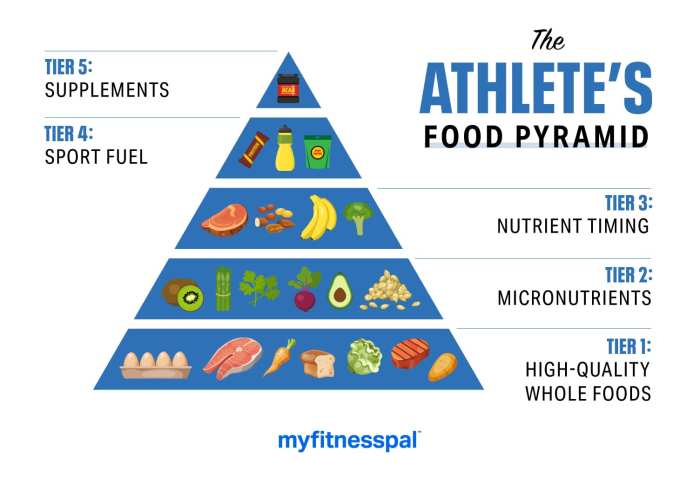
In conclusion, proper nutrition guidelines for athletes serve as the cornerstone for achieving peak performance and long-term health. By embracing a holistic approach that encompasses balanced eating, mental well-being, and physical fitness, athletes can elevate their game and set themselves up for success in the competitive sports arena.
FAQ Section
How important is hydration for athletes?
Hydration is crucial for athletes as it helps regulate body temperature, transport nutrients, and support overall performance. Athletes should drink water before, during, and after training to stay properly hydrated.
What is the significance of preventive care for athletes?
Preventive care plays a vital role in maintaining an athlete’s well-being by helping to prevent injuries and health issues. Incorporating preventive measures into their routine can enhance overall performance and longevity in sports.
Why is quality sleep important for athletes?
Quality sleep is essential for athletes as it supports muscle recovery, cognitive function, and overall physical health. Athletes should prioritize getting adequate and restful sleep to optimize their training and performance.


