
Starting with the Importance of warming up and cooling down in cardio workouts, this paragraph aims to draw readers in with a comprehensive overview of the topic. From the benefits of proper warm-up routines to the significance of cooling down post-workout, this discussion covers all aspects essential for a successful cardio session.
Delving deeper into the importance of these preparatory and recovery phases, we explore how they can enhance cardiovascular health, prevent injuries, aid in muscle recovery, and optimize overall workout performance.
Importance of Warming Up in Cardio Workouts
Warming up before engaging in a cardio workout is crucial for preparing your body for the physical activity ahead. It helps increase blood flow to the muscles, raises your body temperature, and mentally prepares you for the workout, resulting in a more effective session.
Benefits of Warming Up
- Improves flexibility and range of motion in joints.
- Enhances muscle performance and power output.
- Increases heart rate gradually, reducing stress on the heart.
Dynamic Warm-Up Exercises
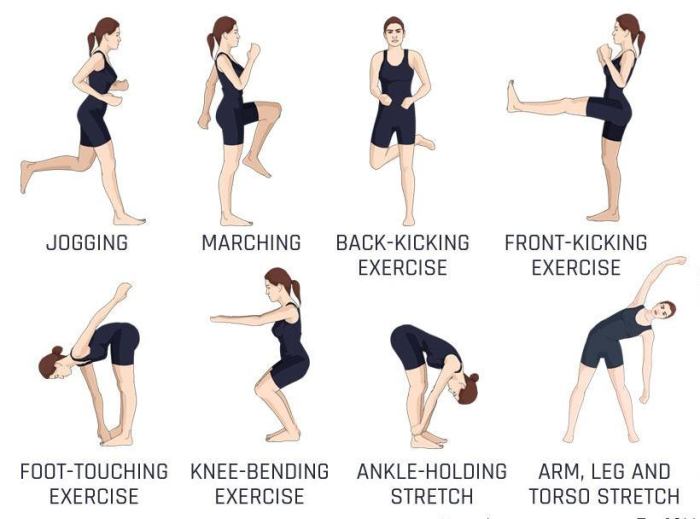
A dynamic warm-up involves movements that mimic the activity you are about to do. Some examples include:
- Arm circles
- Leg swings
- High knees
- Jumping jacks
Preventing Injuries
A proper warm-up routine can prevent injuries during cardio sessions by preparing the muscles, tendons, and ligaments for the workout. It reduces the risk of strains, sprains, and other injuries by improving blood flow and flexibility in the muscles.
Impact on Cardiovascular Health
A good warm-up has a positive impact on cardiovascular health by gradually increasing the heart rate and improving circulation. This helps to prevent sudden spikes in blood pressure during intense cardio exercises, reducing the risk of cardiovascular events.
Importance of Cooling Down in Cardio Workouts
After completing a cardio workout, cooling down is just as crucial as warming up. It helps your body transition from a state of intense activity to a state of rest, promoting recovery and reducing the risk of injury.
Significance of Cooling Down
During a cardio workout, your heart rate and body temperature increase. Cooling down allows these levels to gradually return to normal, preventing dizziness or fainting that can occur if you stop abruptly.
- Walk: A slow-paced walk for 5-10 minutes can help lower your heart rate and ease your muscles.
- Stretch: Focus on stretching major muscle groups like hamstrings, quads, and calves to improve flexibility and reduce muscle tightness.
- Hydrate: Replenish fluids lost during your workout to prevent dehydration and promote overall recovery.
Effectiveness of Cool-Down Exercises
Engaging in specific cool-down exercises can aid in muscle recovery by reducing muscle soreness and stiffness. These exercises help remove lactic acid buildup and improve blood circulation to facilitate the delivery of essential nutrients to your muscles.
Remember, a proper cool-down routine can enhance your overall workout experience and performance.
Preventing Post-Workout Soreness
Cooling down plays a vital role in preventing post-workout soreness by gradually decreasing your heart rate and allowing your muscles to relax. It also helps prevent the buildup of lactic acid, which can cause muscle fatigue and discomfort.
Balanced Diet in Relation to Cardio Workouts
Maintaining a balanced diet is crucial for optimal performance during cardio workouts. A well-rounded diet provides the necessary nutrients to support energy levels, endurance, and overall physical fitness. Let’s delve into the importance of nutrition in relation to cardio activities.
Nutrient-Rich Foods for Cardio Activities
Eating a variety of foods rich in nutrients is essential for supporting cardio workouts. Some examples include:
- Complex carbohydrates like whole grains, fruits, and vegetables provide sustained energy levels.
- Lean proteins such as chicken, fish, tofu, and legumes help in muscle repair and growth.
- Healthy fats from sources like avocados, nuts, and olive oil support heart health and provide long-lasting energy.
- Hydration is key, so drinking an adequate amount of water and electrolyte-rich beverages is essential for performance.
Contribution of Balanced Diet to Physical Fitness
A balanced diet contributes significantly to overall physical fitness and stamina. Proper nutrition helps in:
- Enhancing endurance levels for longer and more effective cardio sessions.
- Promoting muscle recovery and growth, leading to improved performance.
- Supporting weight management, which is crucial for cardiovascular health and efficiency.
Impact of Proper Nutrition on Cardiovascular Health
Maintaining a balanced diet has a direct impact on cardiovascular health. Key benefits include:
- Reducing the risk of heart disease and other cardiovascular conditions.
- Improving blood circulation and oxygen delivery to muscles during workouts.
- Lowering cholesterol levels and maintaining healthy blood pressure for optimal heart function.
Mental Wellness and Cardio Workouts
Regular cardio workouts not only benefit physical health but also play a crucial role in mental wellness. The connection between mental well-being and cardio exercise is undeniable, as it can impact workout performance and overall health significantly.
Role of Mental Wellness in Cardio Workout Performance
Cardio workouts are not just about physical endurance; they also require mental strength and focus. A positive mindset can enhance your performance during cardio sessions, helping you push through challenges and achieve your fitness goals. Mental wellness plays a key role in maintaining motivation, consistency, and determination throughout your workout routine.
Connection Between Stress Management and Effective Cardio Sessions
Engaging in cardio workouts can be a great way to manage stress and improve mental well-being. Physical activity releases endorphins, also known as “feel-good” hormones, which can help reduce stress levels and promote a sense of relaxation. By incorporating cardio exercises into your routine, you can effectively manage stress and improve your overall mood.
Importance of Emotional Balance in Maintaining a Healthy Lifestyle
Emotional balance is essential for maintaining a healthy lifestyle, and cardio workouts can contribute significantly to achieving this balance. Regular exercise, including cardio sessions, can help regulate emotions, reduce anxiety, and boost self-esteem. By prioritizing emotional well-being along with physical health, individuals can experience holistic benefits that support overall well-being and longevity.
Adequate Hydration for Cardio Workouts
Staying hydrated during cardio workouts is crucial for optimal performance and overall well-being. Adequate hydration helps regulate body temperature, maintain electrolyte balance, and support muscle function, all of which are essential during exercise.
Guidelines on Water Intake
It is recommended to drink about 17-20 ounces of water 2-3 hours before starting your cardio workout. During the exercise session, aim to consume 7-10 ounces of water every 10-20 minutes to replenish fluids lost through sweat. After the workout, continue hydrating by drinking another 8 ounces within 30 minutes of finishing.
Impact of Hydration on Performance and Recovery
Proper hydration can significantly impact your cardio performance by ensuring adequate blood flow to muscles, improving endurance, and reducing the risk of fatigue. In terms of recovery, staying hydrated helps speed up the process of muscle repair and reduces the likelihood of muscle cramps and soreness.
Maintaining Proper Fluid Levels for Health
Aside from exercise benefits, maintaining proper fluid levels through hydration is essential for overall health. Water plays a key role in digestion, nutrient absorption, circulation, and toxin elimination. Dehydration can lead to various health issues, such as headaches, dizziness, and decreased cognitive function.
Regular Exercise and Cardio Health: Importance Of Warming Up And Cooling Down In Cardio Workouts
Regular exercise plays a crucial role in maintaining cardiovascular fitness and overall heart health. Consistent cardio workouts are particularly beneficial in improving heart function and reducing the risk of heart disease.
Relationship between Regular Exercise and Cardiovascular Fitness
Regular exercise, especially cardio workouts, helps strengthen the heart muscle, improve circulation, and lower blood pressure. This, in turn, enhances cardiovascular fitness and reduces the workload on the heart during physical activity.
Consistent Cardio Workouts for Heart Health
Engaging in consistent cardio exercises such as running, cycling, swimming, and aerobics helps increase heart rate, improve endurance, and boost overall cardiovascular health. These activities promote better oxygen flow to the muscles and improve the heart’s efficiency in pumping blood.
Examples of Cardio Exercises for Overall Fitness
Running or jogging
Great for improving cardiovascular endurance and burning calories.
Cycling
Helps strengthen leg muscles and improve heart health.
Swimming
Low-impact exercise that works the entire body and enhances cardiovascular fitness.
Jump rope
Effective cardio workout that boosts heart rate and improves coordination.
Benefits of Regular Cardio Sessions
Improved heart health
Cardio workouts help reduce the risk of heart disease and stroke.
Weight management
Regular cardio exercises aid in burning calories and maintaining a healthy weight.
Enhanced mood
Physical activity releases endorphins, promoting feelings of happiness and reducing stress.
Increased energy levels
Cardio sessions boost energy levels and improve overall stamina for daily activities.
Healthy Lifestyle and Cardio Workouts
Embracing a healthy lifestyle goes hand in hand with maintaining a consistent cardio workout routine. The combination of both can significantly enhance your overall physical well-being and contribute to a holistic approach to health.
Benefits of a Healthy Lifestyle with Cardio Workouts
- Regular cardio exercises, such as running, cycling, or swimming, help improve cardiovascular health, endurance, and stamina.
- A balanced diet rich in nutrients and low in processed foods can fuel your body for optimal performance during cardio workouts.
- Adequate rest and sleep are crucial for muscle recovery and overall energy levels, supporting your cardio fitness goals.
Integrating Cardio into a Holistic Health Approach
- Cardio workouts help reduce stress levels by releasing endorphins, promoting mental well-being and emotional balance.
- Combining cardio exercises with strength training and flexibility routines creates a well-rounded fitness regimen that targets different aspects of physical health.
- Engaging in mindfulness practices, such as yoga or meditation, alongside cardio workouts can further enhance the mind-body connection.
Tips for Maintaining a Healthy Lifestyle with Cardio Fitness
- Stay hydrated by drinking plenty of water throughout the day and especially before and after your cardio sessions.
- Set realistic fitness goals and track your progress to stay motivated and committed to your workout routine.
- Incorporate variety into your cardio workouts to prevent boredom and plateauing, trying different activities like dancing, hiking, or group fitness classes.
Preventive Care Measures for Cardiovascular Health
Regular cardiovascular workouts are essential for maintaining heart health, but incorporating preventive care measures is equally important. By taking proactive steps to safeguard your cardiovascular health, you can minimize the risks associated with strenuous exercise routines.
Regular Health Check-ups
Regular health check-ups are crucial for monitoring heart-related concerns and identifying any potential issues early on. By consulting with healthcare professionals regularly, you can ensure that your cardiovascular health is in check and address any issues promptly.
Reducing Risk of Cardiovascular Diseases
- Incorporate a variety of cardio exercises to engage different muscle groups and prevent overuse injuries.
- Maintain a healthy diet rich in fruits, vegetables, lean proteins, and whole grains to support heart health.
- Manage stress levels through relaxation techniques like meditation or yoga to reduce the strain on your heart.
- Avoid smoking and limit alcohol consumption to lower the risk of heart disease and other cardiovascular complications.
Incorporating Preventive Care
- Warm up and cool down properly before and after cardio workouts to prevent injuries and strain on the heart.
- Monitor your heart rate during exercise and adjust intensity levels accordingly to avoid pushing yourself too hard.
- Stay hydrated throughout your workout to support cardiovascular function and prevent dehydration-related issues.
- Listen to your body and rest when needed to prevent overexertion and reduce the risk of heart-related problems.
Quality Sleep and Cardiovascular Health
Quality sleep plays a crucial role in maintaining cardiovascular well-being and overall health. Adequate rest is essential for optimal performance in cardio workouts and muscle recovery post-exercise. Here’s how quality sleep impacts cardiovascular health and fitness:
Connection between Quality Sleep and Cardiovascular Well-Being
Quality sleep is linked to a reduced risk of heart disease, stroke, and other cardiovascular issues. During sleep, the body repairs and rejuvenates itself, including the heart and blood vessels. Lack of sleep can lead to inflammation, elevated blood pressure, and an increased risk of heart problems.
Adequate Rest for Better Performance in Cardio Workouts
Getting enough restorative sleep is vital for energy levels, focus, and endurance during cardio workouts. Poor sleep can result in fatigue, decreased motivation, and reduced exercise performance. Quality sleep helps optimize physical performance and cardiovascular fitness.
Impact of Sleep on Muscle Recovery Post-Cardio Exercises
Sleep is essential for muscle recovery and growth after strenuous cardio workouts. During sleep, the body releases growth hormone, repairs muscle tissue, and replenishes energy stores. Insufficient sleep can hinder muscle recovery, leading to decreased strength and endurance.
Tips for Improving Sleep Quality to Enhance Cardio Fitness
- Aim for 7-9 hours of quality sleep each night.
- Establish a consistent sleep schedule and bedtime routine.
- Create a relaxing sleep environment free of distractions.
- Avoid caffeine, heavy meals, and electronic devices before bedtime.
- Engage in regular physical activity to promote better sleep quality.
Immune Boosting Effects of Cardio Workouts
Regular cardio workouts can have a significant impact on boosting the immune system. Engaging in cardiovascular exercises helps strengthen the body’s defense mechanisms, making it more efficient at fighting off illnesses and infections.
Relationship Between Regular Cardio Workouts and Immune Health
Cardiovascular exercises, such as running, cycling, or swimming, stimulate the production of white blood cells, which play a crucial role in the immune response. By increasing blood circulation and improving oxygen delivery throughout the body, cardio workouts enhance the immune system’s ability to detect and destroy harmful pathogens.
Examples of Cardio Activities that Support Immune Function
Running
A high-impact cardio exercise that improves cardiovascular health and boosts immune function.
Cycling
Low-impact and effective in enhancing circulation and strengthening the immune system.
Jumping Rope
A fun and challenging cardio workout that helps improve overall health and immunity.
Benefits of a Strengthened Immune System for Overall Well-being
A strong immune system not only helps prevent common illnesses like colds and flu but also plays a crucial role in maintaining overall well-being. By reducing the risk of infections and promoting faster recovery, a healthy immune system contributes to better physical and mental health, leading to a higher quality of life.
Clean Eating Habits and Cardio Performance
Eating clean is essential for optimizing your cardio performance as it provides the necessary nutrients to fuel your workouts and aid in recovery. A balanced and healthy diet can significantly impact your energy levels, endurance, and overall cardiovascular health during exercise.
Importance of Clean Eating for Cardio Performance
- Consuming whole foods such as fruits, vegetables, lean proteins, and whole grains can provide the necessary nutrients and energy for sustained cardio workouts.
- Avoiding processed foods high in sugar, salt, and unhealthy fats can help improve cardiovascular function and endurance.
- Hydrating adequately and maintaining electrolyte balance through foods like bananas, nuts, and leafy greens can enhance performance and prevent fatigue during cardio exercises.
Examples of Clean Eating Principles
- Focus on consuming a variety of colorful fruits and vegetables to ensure you get a wide range of vitamins, minerals, and antioxidants.
- Incorporate lean proteins like chicken, fish, tofu, or legumes to support muscle repair and growth after cardio workouts.
- Avoid sugary drinks and opt for water, herbal teas, or natural fruit-infused water to stay hydrated and maintain optimal performance.
Impact of Healthy Diet on Energy Levels
- Eating a balanced diet rich in complex carbohydrates, healthy fats, and protein can sustain energy levels throughout your cardio sessions.
- Proper nutrition can help regulate blood sugar levels, preventing energy crashes and ensuring consistent performance during workouts.
Tips for Incorporating Clean Eating into Cardio Routine
- Plan your meals and snacks ahead of time to ensure you have nutritious options readily available before and after your workouts.
- Avoid skipping meals and refuel with a combination of carbohydrates and protein within an hour of completing your cardio session to support recovery.
- Listen to your body’s hunger and fullness cues to eat intuitively and fuel your workouts effectively.
Mindful Living Practices for Cardio Fitness
Mindful living practices play a crucial role in enhancing the outcomes of cardio workouts by promoting a deeper mind-body connection and increasing overall awareness during exercise routines.
Benefits of Mindfulness in Cardio Workouts
- Reduces stress levels, which can improve cardiovascular health and performance.
- Enhances focus and concentration, leading to more effective and efficient workouts.
- Promotes better breathing techniques, optimizing oxygen flow during cardio exercises.
- Helps in listening to the body’s signals, preventing injuries and overexertion.
Techniques for Incorporating Mindfulness into Cardio Routines
- Start each workout with deep breathing exercises to center the mind and body.
- Focus on the sensations of movement, such as the rhythm of your steps or the feeling of your heart rate increasing.
- Practice gratitude for your body’s ability to move and strengthen through exercise.
- Utilize mindfulness apps or guided meditations specifically designed for exercise sessions.
Impact of Mindfulness on Overall Health
- Improves sleep quality and promotes relaxation, aiding in recovery after intense cardio sessions.
- Reduces anxiety and depression, contributing to mental well-being alongside physical fitness.
- Enhances self-awareness and emotional regulation, leading to a more balanced and holistic approach to health.
- Supports healthy eating habits by fostering mindful eating practices and awareness of nutritional choices.
Self-Care Strategies for Cardiovascular Well-Being
Self-care plays a crucial role in maintaining cardiovascular health during workouts. By incorporating self-care practices into your routine, you can support your cardio fitness goals and enhance overall well-being. Prioritizing self-care while engaging in cardio workouts can contribute to a balanced approach to exercise, ensuring that you are taking care of both your physical and mental health.
Importance of Self-Care in Cardio Workouts
Self-care is essential for maintaining cardiovascular health during workouts. It involves taking time to rest, recover, and nourish your body to prevent burnout and injury. By incorporating self-care practices, such as proper nutrition, adequate rest, and stress management techniques, you can optimize your cardio performance and overall well-being.
Self-Care Practices to Support Cardio Fitness Goals, Importance of warming up and cooling down in cardio workouts
- Ensure you are getting enough sleep to allow your body to recover and repair from workouts.
- Practice stress-reducing activities like meditation, yoga, or deep breathing exercises to support your cardiovascular health.
- Stay hydrated before, during, and after your cardio workouts to maintain optimal performance.
- Listen to your body and give yourself permission to rest when needed to prevent overtraining and exhaustion.
Contribution of Self-Care to a Balanced Approach
Prioritizing self-care while engaging in cardio workouts helps create a balanced approach to exercise. By taking care of your physical and mental well-being, you can enhance your overall fitness journey and improve your cardiovascular health in the long run. Self-care practices can help you stay motivated, energized, and focused on your goals.
Tips for Prioritizing Self-Care in Cardio Workouts
- Schedule regular rest days to allow your body to recover and prevent burnout.
- Incorporate stretching or yoga into your routine to improve flexibility and prevent injuries.
- Practice mindfulness during your workouts to stay present and focused on your movements.
- Seek support from a healthcare professional or fitness coach to ensure you are meeting your self-care needs.
Chronic Disease Prevention through Cardio Workouts
Regular cardio exercises play a crucial role in preventing chronic diseases by improving overall cardiovascular health, boosting immunity, and enhancing metabolism. These workouts not only strengthen the heart and lungs but also help in maintaining healthy blood pressure levels and cholesterol levels.
Impact of Cardio Workouts on Reducing the Risk of Heart-Related Conditions
Cardio workouts have been shown to reduce the risk of heart-related conditions such as heart disease, stroke, and high blood pressure. These exercises help in improving blood circulation, reducing inflammation, and enhancing the efficiency of the heart muscle.
- Running, jogging, and cycling are excellent examples of cardio activities that can significantly reduce the risk of heart-related conditions.
- Swimming and aerobics are also effective in strengthening the heart and preventing cardiovascular diseases.
- High-intensity interval training (HIIT) is another cardio workout that has been proven to be beneficial for heart health.
Recommendations for Incorporating Cardio Workouts into a Preventive Health Care Plan
It is recommended to engage in at least 150 minutes of moderate-intensity cardio exercises per week to reap the preventive benefits for chronic diseases. Incorporating a variety of cardio activities, such as brisk walking, dancing, and stair climbing, can help maintain interest and motivation.
Consistency is key when it comes to preventing chronic diseases through cardio workouts. Make sure to consult with a healthcare provider before starting any new exercise routine.
Concluding Remarks
In conclusion, understanding the Importance of warming up and cooling down in cardio workouts is key to maximizing the benefits of your exercise routine. By incorporating these essential steps into your regimen, you can elevate your fitness journey and achieve your goals more effectively.
Q&A
How long should a warm-up last before a cardio workout?
Aim for at least 5-10 minutes of dynamic stretches and light cardio to prepare your body adequately.
Is cooling down necessary after every cardio session?
Yes, cooling down helps gradually lower your heart rate and prevent muscle soreness, so it’s recommended after every workout.
Can skipping warm-up exercises lead to injuries during cardio workouts?
Absolutely, skipping warm-ups increases the risk of strains and injuries, so it’s crucial to never skip this step.
How does hydration tie into warming up and cooling down in cardio workouts?
Staying hydrated is vital for optimal performance, both during warm-ups to prevent fatigue and during cool-downs for recovery.
Are there specific foods that can enhance the effects of warming up and cooling down?
Foods rich in nutrients like bananas, nuts, and yogurt can provide the energy and nutrients needed for efficient warm-ups and recoveries.


